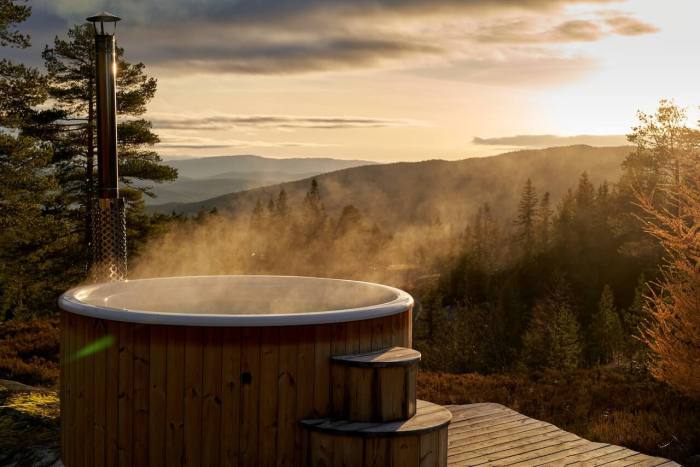
Swim spa vs traditional hot tub invites you to explore the fascinating world of relaxation and fitness, where two popular options compete for your backyard space. Each has its own unique charm and functionality, making it essential to understand their differences before making a decision. While traditional hot tubs are often synonymous with leisure and unwinding, swim spas combine the elements of exercise and relaxation, creating a versatile oasis right at home.
From the initial costs to maintenance requirements and outdoor enhancements, this discussion will shed light on the advantages and considerations of both options. Whether you’re looking to boost your fitness routine or simply unwind after a long day, understanding these two will help you choose the perfect addition to your outdoor space.
Comparison of Swim Spas and Traditional Hot Tubs
When considering a swim spa versus a traditional hot tub, it’s essential to recognize their distinct functionalities and purposes. Swim spas are designed to facilitate both swimming and exercise, offering aquatic fitness options alongside relaxation. On the other hand, traditional hot tubs primarily serve as a source of relaxation and hydrotherapy, appealing to those seeking stress relief and comfort. Let’s delve into their differences in functionality, benefits, and maintenance requirements.
Functionality Differences
Swim spas combine the benefits of a pool and a hot tub, providing a unique environment for both exercise and leisure. The main functional differences include:
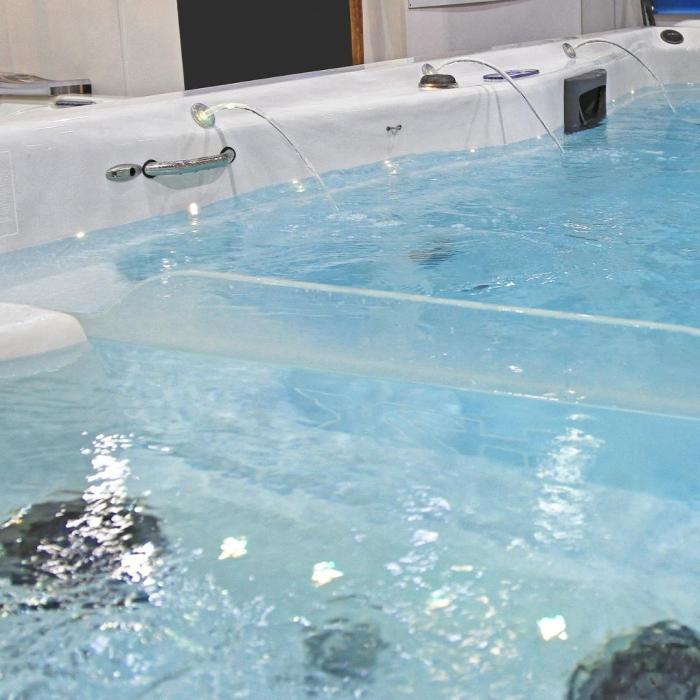
- Water Current: Swim spas are equipped with jets that create a current, allowing users to swim in place. This feature caters to fitness enthusiasts, enabling a full-body workout.
- Size: Swim spas are typically larger than traditional hot tubs, accommodating more space for swimming and exercise routines, while hot tubs focus on smaller, cozy settings for relaxation.
- Temperature Control: Swim spas often allow for adjustable temperature zones, offering a hotter section for relaxation and a cooler section for exercise, which is not a standard feature in traditional hot tubs.
Benefits of Swim Spas for Exercise
Swim spas excel in providing a versatile platform for exercise. They offer several advantages over traditional hot tubs, primarily focused on fitness:
- Endless Swimming: The ability to swim against a current provides cardiovascular benefits and enhances endurance without the need for a large pool.
- Multi-Use Features: Many swim spas include additional features such as resistance bands and underwater treadmills, allowing users to engage in various workouts, from strength training to aerobics.
- Year-Round Use: Unlike outdoor pools that may be seasonal, swim spas can be used year-round, making them a convenient option for staying active regardless of weather conditions.
Maintenance Requirements
Maintaining swim spas and traditional hot tubs involves different levels of care and attention. Understanding these differences can help potential buyers make informed choices:
- Water Balance: Both swim spas and traditional hot tubs require regular water testing and balancing. However, swim spas may need more frequent adjustments due to their larger water volume and use for exercise.
- Filtration Systems: Swim spas often feature advanced filtration systems to handle the increased demands of exercise and swim currents, which may require more frequent cleaning and maintenance.
- Heating Elements: The heating system in swim spas is designed to handle varying temperatures, necessitating regular checks to ensure efficiency, while traditional hot tubs typically maintain a constant temperature.
Choosing between a swim spa and a traditional hot tub ultimately depends on personal preferences and intended usage. Swim spas offer a unique blend of exercise and relaxation, while hot tubs shine in providing a serene retreat for unwinding after a long day.
Cost Analysis and Investment Considerations
Investing in a swim spa or a traditional hot tub involves careful financial consideration. Both options can provide relaxation and enjoyment, but they come with different price tags and ongoing costs. Understanding the initial purchase prices, maintenance needs, and potential long-term savings can help you make an informed decision suitable for your budget.When comparing swim spas to traditional hot tubs, it’s important to look at both initial costs and what you can expect to spend over time.
Swim spas typically have a higher upfront cost due to their larger size and added features, which can range from $15,000 to $30,000, while traditional hot tubs generally range from $3,000 to $15,000. However, the ongoing maintenance costs for both can vary significantly based on usage patterns and features.
Initial Purchase Costs and Ongoing Maintenance
The initial purchase cost is a crucial element of your investment. Swim spas generally come with a higher price tag compared to traditional hot tubs, given their design for both leisure and exercise. Alongside the purchase price, ongoing maintenance costs also play a significant role in the total investment.
- Initial Purchase Cost:
-Swim Spas: $15,000 – $30,000
-Traditional Hot Tubs: $3,000 – $15,000
- Maintenance Costs:
-Swim Spas: $50 – $150 per month (depending on size and frequency of use)
-Traditional Hot Tubs: $30 – $100 per month
The expenses associated with swim spas may initially seem daunting, but there are long-term benefits that can offset these costs. For instance, swim spas generally have better energy efficiency due to advanced insulation and heating systems. This can lead to lower energy bills over time when compared to traditional hot tubs.
Long-Term Savings and Expenses
Investing in a swim spa can lead to significant long-term savings, especially when you consider factors such as increased home value and lower energy use. Here’s a breakdown of potential savings:
- Energy Efficiency:
-Swim spas often use less water and are designed for lower operating costs, reducing utility bills over time.
- Increased Home Value:
-A well-maintained swim spa can enhance property value, making it an asset in the long run.
- Health Benefits:
-Regular use can lead to decreased healthcare costs due to improved physical fitness and overall well-being.
A well-maintained swim spa can save approximately $500 annually in energy costs compared to traditional hot tubs. Moreover, the capacity for exercise can save on gym memberships over time, which can be a significant expense.
Financing Options for Swim Spas and Traditional Hot Tubs
When it comes to financing your investment, both swim spas and traditional hot tubs offer various options to make the purchase more manageable. Understanding these options ensures that you can choose a plan that fits your financial situation.
- Personal Loans:
-Many people opt for personal loans through banks or credit unions with competitive interest rates.
- Dealer Financing:
-Many retailers provide financing plans, often with promotional rates for qualified buyers.
- Home Equity Loans:
-Utilizing equity in your home can provide a low-interest way to finance a swim spa or hot tub purchase.
Considering these financing options can help you spread the cost of your investment over time, making it more accessible. Always compare interest rates and terms to ensure you’re making a financially sound decision that aligns with your budget.
Additional Outdoor Features and Accessories
Creating an inviting outdoor space around your swim spa or traditional hot tub enhances both aesthetics and functionality. Incorporating various features can boost relaxation and improve the overall experience while ensuring ease of maintenance. This section explores the benefits of stone brick features, the necessary tools for upkeep, and how landscaping contributes to enjoyment.
Stone Brick Features Around Swim Spas and Hot Tubs
Incorporating stone brick features around swim spas and hot tubs provides both visual appeal and practical benefits. Stone brick installations can create pathways, seating areas, and borders that not only look great but also offer durability against the elements. Some notable advantages include:
- Aesthetic Appeal: Stone brick adds a natural, rustic charm that can complement various landscaping styles.
- Durability: Stone is resistant to weathering and can withstand moisture, ensuring a long-lasting installation.
- Safety: Non-slip surfaces reduce the risk of accidents around wet areas, especially if you have children or pets.
- Easy Maintenance: Unlike wood, stone does not require regular staining or sealing, making it a low-maintenance option.
Integrating these features can create a cohesive outdoor environment that enhances the overall experience of using your swim spa or hot tub, making it a pleasant gathering spot for family and friends.
Maintenance Tools and Equipment for Swim Spas and Hot Tubs
Proper maintenance is essential for keeping your swim spa or hot tub in top condition. Investing in the right tools and equipment not only simplifies upkeep but also prolongs the lifespan of your investment. Key items for maintenance include:
- Water Testing Kits: Essential for monitoring chemical levels, ensuring safe and clean water.
- Skimmers and Nets: Used for removing debris from the water surface to enhance cleanliness.
- Vacuum Cleaners: Automated or manual options are available for thoroughly cleaning the spa or tub floor.
- Covers: Resistant covers help maintain water temperature and keep debris out when not in use.
Having these tools on hand can make regular maintenance less of a chore and more of a manageable routine, allowing you to focus on enjoyment.
Impact of Outdoor Yard Equipment and Landscaping
The design of your outdoor space significantly affects the enjoyment of swim spas and hot tubs. Thoughtful landscaping and proper yard equipment can create a serene environment that enhances relaxation. Consider the following aspects:
- Landscaping: Plants, trees, and shrubs can provide privacy and create a tranquil atmosphere. For instance, surrounding your spa with fragrant flowers or lush greenery can enhance the sensory experience.
- Outdoor Furniture: Comfortable seating and tables near your swim spa or hot tub can encourage social interaction and relaxation.
- Lighting: Strategically placed outdoor lighting can create an inviting ambiance during nighttime use, allowing for extended enjoyment.
- Sound Features: Installing water features or outdoor speakers can enhance the overall atmosphere and add to the calming effects of your spa experience.
All these elements contribute to a holistic outdoor experience, making your swim spa or hot tub an integral part of your home and lifestyle.
Final Review
In summary, the choice between a swim spa and a traditional hot tub ultimately depends on your lifestyle and preferences. Swim spas offer a unique dual-purpose experience, enabling both fitness and relaxation, while traditional hot tubs excel in providing a serene escape. By weighing the costs, maintenance, and features discussed, you can confidently select the option that best enhances your enjoyment and complements your outdoor environment.
Common Queries
What is the primary difference in size between swim spas and traditional hot tubs?
Swim spas are generally larger and designed for both swimming and relaxation, while traditional hot tubs are smaller and primarily meant for soaking.
Can swim spas be used for therapy or rehabilitation?
Yes, swim spas are often used for therapy due to their adjustable water currents and spacious design, making them suitable for rehabilitation exercises.
How does the energy efficiency of swim spas compare to traditional hot tubs?
Swim spas may require more energy due to their heating and filtration systems, but they can also provide better long-term savings with their versatility.
What additional features can I add to a swim spa that I can’t for a traditional hot tub?
Swim spas can accommodate more accessories like resistance bands, swim jets, and even water exercise equipment that traditional hot tubs typically do not support.
How often should I clean my swim spa compared to my hot tub?
Both require regular maintenance, but swim spas might need more frequent cleaning due to their larger water volume and exercise usage.


