Home window tinting for privacy is more than just a trend; it’s a practical solution for homeowners seeking to enhance their living spaces. With the right window tint, you can enjoy the benefits of increased privacy, reduced heat, and improved energy efficiency all while safeguarding your interiors from harmful UV rays.
This innovative approach to window treatment not only transforms the aesthetic appeal of your home but also creates a more comfortable environment, allowing you to enjoy natural light without compromising your privacy. Whether you’re looking to block out prying eyes or simply want to keep your spaces cooler, home window tinting offers a range of benefits that are hard to ignore.
Benefits of Home Window Tinting for Privacy
Home window tinting is not just a stylish enhancement; it significantly boosts the privacy of your living spaces. Homeowners often seek ways to create sanctuaries within their homes, and privacy window films offer an elegant solution that complements aesthetics while guarding personal space.One of the standout benefits of home window tinting is how it enhances privacy without sacrificing natural light.
Tinted windows obscure the view from the outside during the day, allowing homeowners to enjoy their rooms without being constantly observed. The level of privacy can vary based on the type of tint used, but many options allow you to see out clearly while making it difficult for outsiders to see in. This means you can relax, work, or entertain guests without the worry of prying eyes.
Impact on Heat Reduction and Energy Efficiency
Home window tinting is also known for its remarkable ability to reduce heat build-up in living spaces, leading to substantial energy savings. This is particularly important in warmer climates where air conditioning systems work overtime to maintain comfortable indoor temperatures. Tinted windows can block up to 99% of harmful UV rays and significantly reduce solar heat gain, which translates into lower energy bills.
Energy Savings
By keeping homes cooler, window tints minimize the reliance on air conditioning, resulting in lower electricity expenses. For instance, homeowners might see a reduction of up to 30% in energy costs after installing window films.
Comfort Enhancement
With reduced heat penetration, homes maintain a more consistent temperature throughout the day. This improvement in comfort can enhance overall living conditions, making spaces more enjoyable for family members.
Extended HVAC Life
With less strain on air conditioning units, the lifespan of these systems can increase, delaying costly replacements and repairs.
UV Protection Provided by Tinted Windows
Another significant advantage of home window tinting is its ability to provide UV protection. Ultraviolet rays from the sun can cause skin damage and fade furniture, flooring, and artwork over time. Tinted window films can block up to 99% of these harmful rays, contributing to a healthier indoor environment.
Skin Protection
With the enhanced UV filtering capabilities, there is a reduced risk of skin-related issues associated with sun exposure indoors. This is especially beneficial for homes with children and elderly residents.
Preserving Home Interiors
By blocking UV rays, tinted windows help maintain the vibrancy of interior furnishings, significantly reducing the likelihood of color fading and degradation. For example, a living room with large windows and exposed fabrics can last longer and look fresh with proper UV protection. In conclusion, investing in home window tinting adds value to a property not just through aesthetic enhancement, but also by providing essential benefits like privacy, energy efficiency, and UV protection.
This multifaceted approach to home improvement ensures a more comfortable and sustainable living environment.
Choosing the Right Tint for Home Windows
When it comes to enhancing privacy in your home through window tinting, understanding the different types of tints available is crucial. Each type offers unique benefits and varying levels of effectiveness in privacy, aesthetics, and light filtration. Selecting the right tint not only protects your home’s interior but also contributes to energy efficiency and overall comfort.Choosing the right tint involves considering various factors to ensure it meets your needs.
These factors include the type of window film, the level of privacy desired, light transmission, UV protection, and aesthetic preferences. With so many options, it’s essential to understand the key characteristics of different types of window tints available for residential properties.
Types of Window Tints Available
There are several types of window tints suitable for residential properties, each serving different purposes. Familiarizing yourself with these types can help in making an informed decision.
- Dyed Window Film: This film absorbs solar heat and reduces glare. It offers privacy during the day but may not be as effective at night when interior lights are on.
- Metalized Window Film: Known for its reflective qualities, this film reflects heat away from the home. It provides excellent privacy and UV protection, but may interfere with cell phone signals.
- Ceramic Window Film: This type is non-metallic, offering a high level of clarity and UV protection without interference with electronic signals. It allows natural light while ensuring privacy.
- Reflective Window Film: Highly effective at reducing glare and heat, this tint offers a mirror-like finish from the outside. It is excellent for daytime privacy but may compromise privacy at night.
Factors to Consider When Selecting Window Film
When selecting a window tint for privacy, several factors should be taken into account to ensure the film aligns with your needs. These considerations will help you choose a film that is both functional and aesthetically pleasing.
- Privacy Level: Determine how much privacy you want. Films vary in opacity and reflectivity, influencing how much can be seen from outside.
- Light Filtration: Consider how much light you want to let in. Some tints block out significant sunlight, while others maintain brightness.
- UV Protection: Ensure your chosen film offers adequate UV protection to safeguard furniture and flooring from fading.
- Aesthetic Appeal: Different tints come in various shades and finishes. Choose a tint that complements the exterior and interior design of your home.
- Legal Considerations: Check local regulations regarding window tinting, as some areas have specific laws on the permissible levels of tint.
Effectiveness of Tint Levels
The effectiveness of different tint levels in terms of privacy and light filtration varies significantly. Understanding these levels can aid in selecting the appropriate film for your residential property.
| Tint Level | Privacy Effectiveness | Light Filtration |
|---|---|---|
| Light Tint (20% – 35%) | Moderate privacy during the day, less effective at night | Allows considerable natural light |
| Medium Tint (15% – 20%) | Good balance of privacy, effective in moderate light conditions | Reduces glare while maintaining brightness |
| Dark Tint (5% – 15%) | High level of daytime privacy, can obscure views at night | Significantly reduces light transmission |
Choosing the right window tint can transform your home, enhancing privacy while adding style and energy efficiency.
Maintenance and Installation of Window Tints
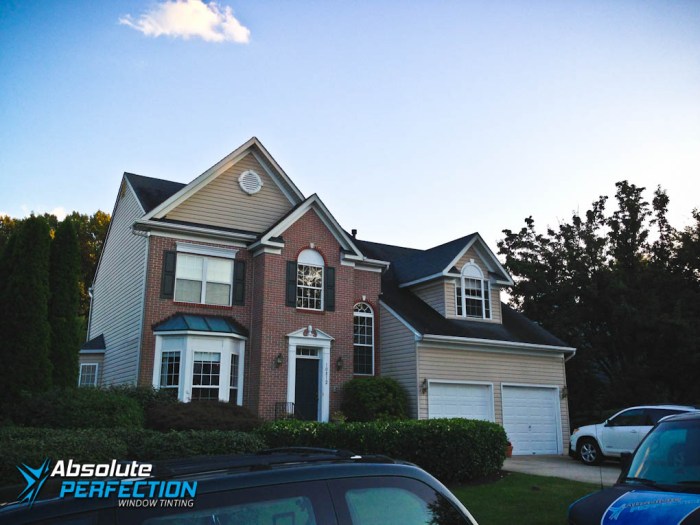
Maintaining your window tints is crucial for ensuring their longevity and effectiveness. Proper installation plays a significant role in how well the tints function and how long they last. Below, we discuss the key aspects of maintaining tinted windows, the installation process for homeowners, and common mistakes to avoid during the installation.
Cleaning and Maintaining Tinted Windows
Regular maintenance of tinted windows ensures they continue to provide privacy, UV protection, and aesthetic appeal. Here are essential cleaning and maintenance procedures:
- Use a soft microfiber cloth to avoid scratching the tinted surface. Abrasive materials can damage the film.
- Choose a gentle cleaning solution that is ammonia-free. Ammonia can deteriorate the adhesive bond of the tint.
- Clean the windows carefully, using circular motions to lift dirt without applying excessive pressure.
- Rinse with water afterwards to remove any cleaning solution residue, ensuring the windows are streak-free.
- Inspect the tints regularly for bubbles or peeling edges, which may require professional repair.
Installation Process of Window Tints
Installing window tints can be a rewarding project for homeowners, but it requires precision and attention to detail. The following steps Artikel the typical installation procedure:
- Measure your windows accurately to ensure you purchase the correct amount of tint film.
- Clean the window thoroughly, removing any dirt or grease to promote good adhesion.
- Cut the tint film slightly larger than the window dimensions to manage placement.
- Peel the backing off the film, and spray the adhesive side with a solution to make it easier to position.
- Apply the film to the window, starting from one edge and smoothing it out with a squeegee.
- Trim any excess film for a clean finish, ensuring the edges are sealed properly.
- Allow the film to cure according to the manufacturer’s recommendations before cleaning or rolling down the windows.
Common Mistakes During Installation
Even experienced DIYers can make mistakes during window tint installation. Here are common pitfalls to avoid:
- Skipping the cleaning step, which can lead to bubbles and imperfections in the finished look.
- Using the wrong type of tint film or a low-quality product that may not adhere correctly.
- Not using enough solution for application, making it difficult to reposition the film.
- Failing to allow proper curing time, which can affect the film’s longevity and appearance.
- Ignoring temperature conditions; installation should be done in a suitable environment to ensure proper adhesion.
“Proper maintenance and installation can significantly enhance the performance and lifespan of window tints.”
Related Home Improvement Topics
Integrating privacy-enhancing home window tints into your home improvement projects can elevate both functionality and aesthetics. In this section, we explore how to create visual harmony by pairing window tints with stone brick designs, essential tools for DIY tinting projects, and the advantages of window tints for swimming pools and spas.
Integrating Stone Brick Designs with Home Window Tinting
Combining stone brick designs with window tinting can enhance the visual appeal of your home while providing necessary privacy. Stone brick offers a timeless, rustic charm that contrasts beautifully with the sleekness of tinted windows. When selecting window tints, consider both the color and opacity to ensure they complement the stonework. For instance, a dark charcoal tint can accentuate lighter stone hues, creating a cohesive look that balances modern and traditional elements.
Additionally, using clear or lightly tinted films on windows facing outdoor living spaces can allow natural light to filter in while maintaining privacy from outside eyes. A well-placed stone feature, such as a brick mailbox or garden wall, can further tie the theme together, ensuring that your window tinting and stone brick designs work in unison.
Tools and Equipment for DIY Window Tinting Projects
Taking on a DIY window tinting project requires a few essential tools and equipment. Having the right tools ensures a smooth application process and can make the difference between a professional-looking finish and a subpar result. Here’s a list of necessities:
- Window Tint Film: Available in various shades and types, choose based on your privacy and aesthetic needs.
- Utility Knife: A sharp blade is essential for precise cutting of the film to fit your window dimensions.
- Squeegee: This tool helps remove air bubbles and excess water during application.
- Spray Bottle: Fill with a mixture of soap and water to help apply the film smoothly.
- Measuring Tape: Accurate measurements are crucial for cutting the film to the right size.
- Heat Gun: Useful for adapting the film to the window shape, especially for curved surfaces.
Each of these tools plays a critical role in ensuring that your window tinting project turns out as intended, saving you time and potential rework.
Benefits of Window Tints for Swimming Pools and Spas
Privacy-enhancing window tints can significantly benefit homeowners with swimming pools and spas. These areas often serve as personal retreats where relaxation and comfort are key. Tints offer several advantages:
1. Increased Privacy
Tinted windows obscure views from the outside, ensuring that your leisure time remains uninterrupted.
2. UV Protection
Window tints block harmful ultraviolet rays, helping to protect your skin while you relax poolside.
3. Temperature Control
Tints can help regulate indoor temperatures, reducing the heat buildup often associated with sun exposure around pools.
4. Aesthetic Enhancements
Coordinating the color of your tint with the surroundings of your pool can create a unified, visually appealing atmosphere.By investing in window tints for areas around pools and spas, homeowners can enhance both the functionality and enjoyment of these spaces while ensuring they remain private from passersby.
Outdoor Considerations for Home Windows
When it comes to enhancing your home’s comfort and privacy, outdoor considerations play a crucial role. Home window tinting not only offers benefits for indoor environments but also influences how your property interacts with the outside world. Properly tinted windows can protect outdoor furniture and yard equipment from damaging UV rays, while also providing privacy from prying eyes.Sunlight can have a significant impact on yard equipment, such as lawnmowers, garden tools, and patio furniture.
Prolonged exposure to sunlight can lead to fading, cracking, and deterioration of these items. Tinted windows can mitigate these effects by filtering out harmful UV rays, thus extending the life of your outdoor investments. For example, a high-quality window tint can reduce UV exposure by up to 99%, ensuring your outdoor equipment remains in top condition for longer.
Impact of Neighboring Properties on Window Tint Selection
When selecting window tints for privacy, it’s essential to consider the proximity and characteristics of neighboring properties. The visibility from these properties can influence the effectiveness of your chosen window film. A well-chosen tint can enhance privacy from views of nearby homes, while also complementing the aesthetic of your own property.To better understand outdoor privacy solutions, here’s a comparison of various options alongside window tinting:
| Outdoor Privacy Solution | Benefits | Limitations |
|---|---|---|
| Window Tinting |
|
May require professional installation for optimal results |
| Fencing |
|
Can be expensive and require maintenance |
| Landscaping (Hedges, Trees) |
|
Requires time to grow and may need regular upkeep |
| Outdoor Curtains or Screens |
|
May not be durable in harsh weather conditions |
Considering these options will help homeowners make informed decisions about enhancing outdoor privacy, taking into account their specific needs and environment.
Final Conclusion
In conclusion, investing in home window tinting for privacy is an excellent way to elevate both the comfort and style of your home. From protecting against UV rays to enhancing energy efficiency, the advantages are numerous. By selecting the right tint and ensuring proper installation, you can create a serene sanctuary that reflects your personal taste while keeping the outside world at bay.
FAQ Section
What types of window tints are available for privacy?
There are various types of window tints, including reflective, non-reflective, and frosted films, each offering different levels of privacy and light filtration.
How do I maintain tinted windows?
To maintain tinted windows, use non-abrasive cleaners and soft cloths to avoid scratching the film, and avoid cleaning products with ammonia.
Can I install window tint myself?
Yes, DIY installation is possible, but it requires careful preparation and the right tools to avoid common mistakes, such as air bubbles and misalignment.
Does window tint block UV rays?
Yes, most window tints provide significant UV protection, helping to prevent skin damage and fading of furniture and flooring.
Is window tinting effective in reducing heat?
Absolutely! Tinted windows can significantly reduce heat gain from sunlight, improving home comfort and reducing energy costs.