
When it comes to enjoying time in the pool, ensuring the safety of our children is paramount. Pool safety features for kids play a crucial role in minimizing risks and preventing accidents, allowing families to relax and have fun without worry. With alarming statistics surrounding child drownings, it’s clear that proactive measures are essential to create a safe swimming environment.
From sturdy fences and effective alarms to user-friendly covers, there are countless features designed specifically to protect our little ones. By understanding the significance of these safety measures, parents can make informed decisions to safeguard their children while they enjoy splashing around.
Importance of Pool Safety Features for Kids
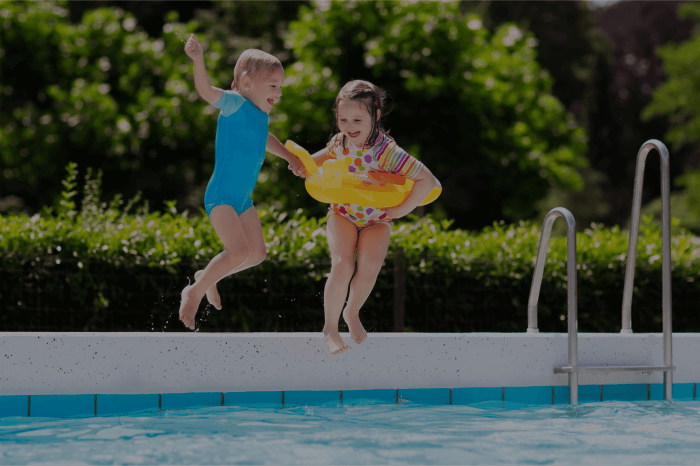
The safety of children in and around pools is a paramount concern for parents and guardians. Pool safety features are specifically designed to create a secure environment where children can enjoy swimming while minimizing the risk of accidents. These features play a crucial role in protecting young ones from potential dangers associated with water, making them an essential consideration for any pool owner.Statistics reveal that drowning is one of the leading causes of unintentional injury-related deaths among children aged 1 to 4.
According to the Centers for Disease Control and Prevention (CDC), for every child who dies from drowning, another five receive emergency department care for nonfatal submersion injuries. Implementing safety features can significantly reduce these risks, and proactive measures are vital in preventing tragic accidents. Features such as barriers, alarms, and safety covers are instrumental in preventing unauthorized access and ensuring a safer swimming environment.
Common Pool Accidents Involving Children
Understanding the various types of pool accidents that can occur helps in formulating effective prevention strategies. Children are particularly vulnerable in pool settings, and common incidents include:
- Drowning: The most severe and tragic outcome, often resulting from a lack of supervision or inadequate barriers.
- Near Drowning: This occurs when a child is submerged but rescued before experiencing fatal outcomes, often leading to serious health complications.
- Slips and Falls: Wet surfaces around the pool can lead to falls, especially for young children who may not be as stable on their feet.
- Injuries from Pool Equipment: Children can get hurt by pool toys, inflatables, or even suction elements in the pool, underscoring the need for safety measures.
By implementing proper safety features such as barriers, pool alarms, and non-slip surfaces, the likelihood of these accidents can be significantly decreased. For instance, a four-sided fence that completely surrounds the pool area can reduce the risk of drowning by up to 83%, as indicated by numerous studies.
“Installing safety features not only protects children from drowning but also fosters a worry-free environment for families enjoying pool time together.”
In addition to physical barriers, educating children about water safety and supervising them closely can further mitigate risks. With the right combination of proactive safety measures and awareness, families can create a safer pool experience for children, allowing them to enjoy the water while minimizing dangers.
Essential Pool Safety Features
Ensuring the safety of children around swimming pools is a vital responsibility for parents and guardians. Implementing essential safety features can greatly reduce the risk of accidents and drownings. These features are not only designed to prevent unauthorized access to the pool but also to alert caregivers to any potential dangers. One of the most effective ways to enhance pool safety is by incorporating various safety features that cater specifically to children.
Below, we delve into the must-have elements that every pool should have, along with the necessary equipment for parents to consider.
Must-Have Safety Features for Pools
A comprehensive approach to pool safety for children includes several key features designed to create a secure swimming environment. The following list Artikels essential safety features that should be present in any residential swimming pool:
- Pool Fences: A minimum four-foot high fence surrounding the pool area is crucial. It should be equipped with self-closing and self-latching gates to prevent young children from gaining access without supervision.
- Pool Alarms: Installing alarms on gates and pool covers can alert caregivers when a child enters the pool area unexpectedly. These alarms should be sensitive enough to detect movement while being easy to reset.
- Safety Covers: A durable pool cover that can support weight should be used when the pool is not in use. This helps prevent accidental falls into the pool and keeps debris out.
- Drain Covers: Anti-entrapment drain covers are essential to prevent children from becoming trapped in pool drains. Ensure that the pool meets current safety standards regarding drain covers.
- Floatation Devices: While not a substitute for adult supervision, floatation devices like life jackets can provide extra safety for children who are still learning to swim.
- CPR Signage: Displaying signs with CPR instructions and emergency contact numbers near the pool can provide immediate assistance in case of an emergency.
Safety Equipment for Parents
To further enhance pool safety, parents should consider investing in specific safety equipment. This equipment can provide an extra layer of protection and peace of mind. Here is a list of recommended safety equipment:
- Life Rings: Position life rings and reaching poles around the pool area for quick access in case of an emergency.
- First Aid Kit: Keep a well-stocked first aid kit near the pool to address any minor injuries that may occur.
- Emergency Phone: Have a cordless or mobile phone readily available for emergencies to ensure immediate communication with emergency services.
- Rescue Tube: A rescue tube can be used by trained adults for quick rescues and should be kept prominently displayed.
- Water Temperature Monitor: Installing a water temperature monitor can help prevent exposure to cold water temperatures that can be dangerous for children.
Inspection and Maintenance Methods
Regular inspection and maintenance of pool safety features are crucial to ensure their effectiveness over time. The following practices should be implemented:
- Monthly Inspections: Check fences for damage, ensure gates close securely, and test alarms monthly to confirm they are operational.
- Seasonal Maintenance: Inspect pool covers and safety equipment before and after swimming seasons to ensure they are in good condition.
- Drain Cover Checks: Regularly inspect drain covers for safety compliance and to ensure they are securely attached.
- Clean and Organize: Keep safety equipment organized and accessible, so that it can be quickly used in case of an emergency.
- Update Safety Equipment: Replace any worn or outdated safety equipment to maintain high standards of pool safety.
These essential features and practices collectively significantly improve child safety in swimming pools, enabling kids to enjoy swimming while minimizing risks. Adopting a proactive approach towards pool safety not only offers peace of mind but also fosters a fun and secure environment for children to play and learn.
Related Home and Yard Safety Considerations
Creating a safe environment around your pool goes beyond just the water itself; it encompasses the entire yard and surrounding areas. Properly managing home and yard safety features can significantly reduce potential accidents, especially regarding children. This includes ensuring that all pool tools and equipment are stored correctly, maintaining safety features in storage areas, and being aware of how yard equipment may pose risks to kids playing near the pool.
Proper Storage of Pool Tools and Equipment
Storing pool tools and equipment safely is crucial in preventing accidents. Items like pool chemicals, nets, and cleaning equipment can be dangerous if not secured properly.
- Ensure all pool chemicals are stored in a locked cabinet away from children’s reach, ideally in a cool, dry place.
- Pool maintenance tools, such as skimmers and brushes, should be placed in a designated storage area where kids cannot access them.
- Remove any tripping hazards, such as hoses or extension cords, from around the pool area to prevent falls.
- Consider using safety covers for pool equipment when not in use, which can further reduce access and risk.
Safety Features for Stone Brick Storage Garages
Using stone brick storage garages can enhance safety around pools, especially when designed with specific features that complement pool safety.
- Install reinforced doors that can be locked to keep tools and chemicals secure.
- Ensure proper ventilation in storage garages to prevent the buildup of harmful fumes from pool chemicals.
- Use shelves that are safely anchored to prevent tipping and keep hazardous items off the ground.
- Incorporate clear labeling on all storage containers to avoid accidental misuse of pool chemicals.
Managing Risks Posed by Yard Equipment
Yard equipment presents various risks, particularly to small children who may not recognize the dangers associated with them.
- Keep lawnmowers, trimmers, and other equipment securely stored away when not in use to prevent unauthorized access.
- Educate children about the dangers associated with yard equipment, emphasizing the importance of staying away during operation.
- Regularly inspect yard equipment for wear and tear to prevent malfunctions that could lead to accidents.
- Consider creating designated play areas away from the pool and yard equipment zones to minimize risks.
Final Summary
In conclusion, implementing the right pool safety features for kids not only protects them but also promotes peace of mind for parents. By investing in necessary equipment and regularly maintaining safety measures, we can significantly reduce the risks of pool-related accidents. Ultimately, creating a safe swimming space allows families to fully embrace the joy of summer days spent by the pool.
Questions Often Asked
What are the essential safety features for a pool?
Essential safety features include pool fences, alarms, safety covers, and self-closing gates.
How often should pool safety equipment be inspected?
It’s recommended to inspect pool safety equipment at least once a month to ensure everything is functioning properly.
Can pool toys pose safety risks?
Yes, pool toys can pose risks if they are not stored properly, as they can encourage children to access the pool unsupervised.
What age should children start lessons on pool safety?
Children can begin learning basic pool safety rules as young as three years old, with more formal swim lessons recommended around age four or five.
Are there specific drowning statistics I should know about?
Yes, statistics indicate that drowning is one of the leading causes of unintentional death for children ages 1 to 4, making awareness and prevention crucial.


