
Lawn aerators for compact soil are essential tools that can dramatically improve the health of your lawn. As compacted soil can hinder grass growth and water absorption, understanding the benefits of aeration is key to maintaining vibrant greenery. By allowing air, water, and nutrients to reach the roots, aeration transforms compact soil into a thriving environment for your grass to flourish.
This guide will delve into the different types of lawn aerators, helping you choose the best one for your specific needs. Additionally, we’ll cover essential maintenance tips for keeping your aeration tools in top condition to ensure they serve you well for years to come.
Importance of Lawn Aeration for Compact Soil
Lawn aeration is a vital practice for maintaining healthy turf, particularly in areas where compact soil is prevalent. Compacted soil can hinder grass growth and disrupt the natural balance of nutrients and water in the soil. By understanding the significance of aeration, homeowners and lawn care enthusiasts can foster a more vibrant and resilient lawn.Aeration improves soil health by creating pathways for air, water, and nutrients to penetrate deeper into the ground.
This process breaks up compacted soil, allowing the roots of the grass to grow more freely and establish a stronger foundation. As a result, aerated lawns show marked improvement in their ability to retain moisture, absorb fertilizers, and resist diseases.
Benefits of Lawn Aeration
The benefits of lawn aeration extend beyond just a greener appearance. Here are some key advantages:
- Enhanced Root Growth: Aeration promotes deeper root systems, which are essential for nutrient uptake and overall plant health.
- Improved Water Infiltration: Aerated soil allows for better water absorption, reducing runoff and ensuring that moisture reaches the roots effectively.
- Increased Nutrient Availability: With aeration, fertilizers and organic matter can penetrate the soil more efficiently, providing essential nutrients to the grass.
- Reduced Soil Compaction: Aerating the lawn decreases compaction, which can suffocate roots and limit growth.
- Better Disease Resistance: Healthy soil promotes resilient grass that can better withstand pests and diseases.
The impact of compact soil on grass growth is significant. Compacted soil can create a barrier that restricts the movement of air, water, and nutrients, leading to stunted growth and a dull appearance. Grass roots struggle to penetrate deep into the soil, resulting in shallow roots that are more susceptible to drought and other environmental stresses. Therefore, aeration is crucial for maintaining a thriving lawn.
Impact on Lawn Maintenance Efforts
Aeration plays a pivotal role in reducing the overall maintenance efforts required for a lawn. When soil is healthy and well-aerated, the grass can thrive with minimal intervention, leading to:
- Less Frequent Watering: A well-aerated lawn retains moisture better, reducing the need for constant watering.
- Lower Fertilizer Usage: With improved nutrient absorption, homeowners can use less fertilizer while still achieving lush growth.
- Fewer Weeds: A robust lawn is better equipped to compete with weeds, leading to less time spent on weed control.
- Reduced Pest Control Needs: Healthier grass is less vulnerable to pests, which can lower the need for chemical treatments.
In summary, the practice of lawn aeration is essential for combating the adverse effects of compacted soil. By investing in aeration, homeowners can significantly enhance their lawn’s health, leading to a more vibrant and sustainable outdoor space.
Maintenance and Care of Tools and Equipment for Aeration
Regular maintenance and care of lawn aerators and associated equipment is vital for ensuring optimal performance and longevity. By following a structured maintenance routine, you can enhance the efficiency of your aeration efforts and prolong the lifespan of your tools. This attention to detail not only saves money in the long run but also ensures that your lawn stays healthy and vibrant.Maintaining aeration tools involves a series of tasks that should be performed consistently.
Proper care helps to avoid malfunctions and ensures your equipment functions at peak efficiency. Additionally, pairing your aerator with the right complementary tools can enhance your overall lawn care routine.
Routine Maintenance for Lawn Aerators
To keep your lawn aerator in top working condition, adhere to the following maintenance routine:
1. Clean After Each Use
Remove dirt, grass, and debris from the aerator. A clean tool is less likely to rust and more likely to perform well during the next use.
2. Inspect for Damage
Regularly check for any signs of wear or damage. Look for bent tines or dull blades that may need repair or replacement.
3. Sharpen Blades
If your aerator has blades, ensure they are sharpened regularly. Sharp blades cut through the soil more effectively, ensuring better aeration.
4. Lubricate Moving Parts
Apply appropriate lubricant to any moving parts as recommended by the manufacturer to prevent wear and ensure smooth operation.
5. Store Properly
During off-seasons or when not in use, store aerators in a dry, sheltered location to protect them from the elements.
Essential Tools and Equipment for Complementing Aeration
In addition to your aerator, there are several other tools that can streamline your aeration process and improve lawn health. The following equipment is essential for effective lawn care:
Soil Test Kit
Understanding soil composition helps determine the best aeration strategies.
Rake
Useful for leveling the lawn post-aeration and removing debris.
Sprayer
For applying nutrients and treatments evenly after aeration.
Lawn Mower
Keeping grass at an optimal height encourages effective aeration.
Water Hose or Sprinkler
Hydrating the soil before aeration can make the process easier and more effective.
Maintenance Schedule for Yard Equipment
Implementing a regular maintenance schedule can significantly enhance the lifespan and performance of your lawn care equipment. Here’s a suggested schedule:
Weekly
Clean aerator after each use.
Inspect for visible damage or wear.
Monthly
Sharpen blades or tines.
Lubricate moving parts on all tools. –
Seasonally
Conduct a comprehensive inspection of all lawn equipment.
Perform a soil test to inform your aeration and fertilization practices.
Annually
Replace any worn-out parts of the aerator or other tools.
Deep clean all equipment to prevent rust and buildup.
By adhering to this maintenance schedule, you ensure that your lawn aerators and related tools remain in prime condition, ready to promote a healthy lawn year-round.
Last Word
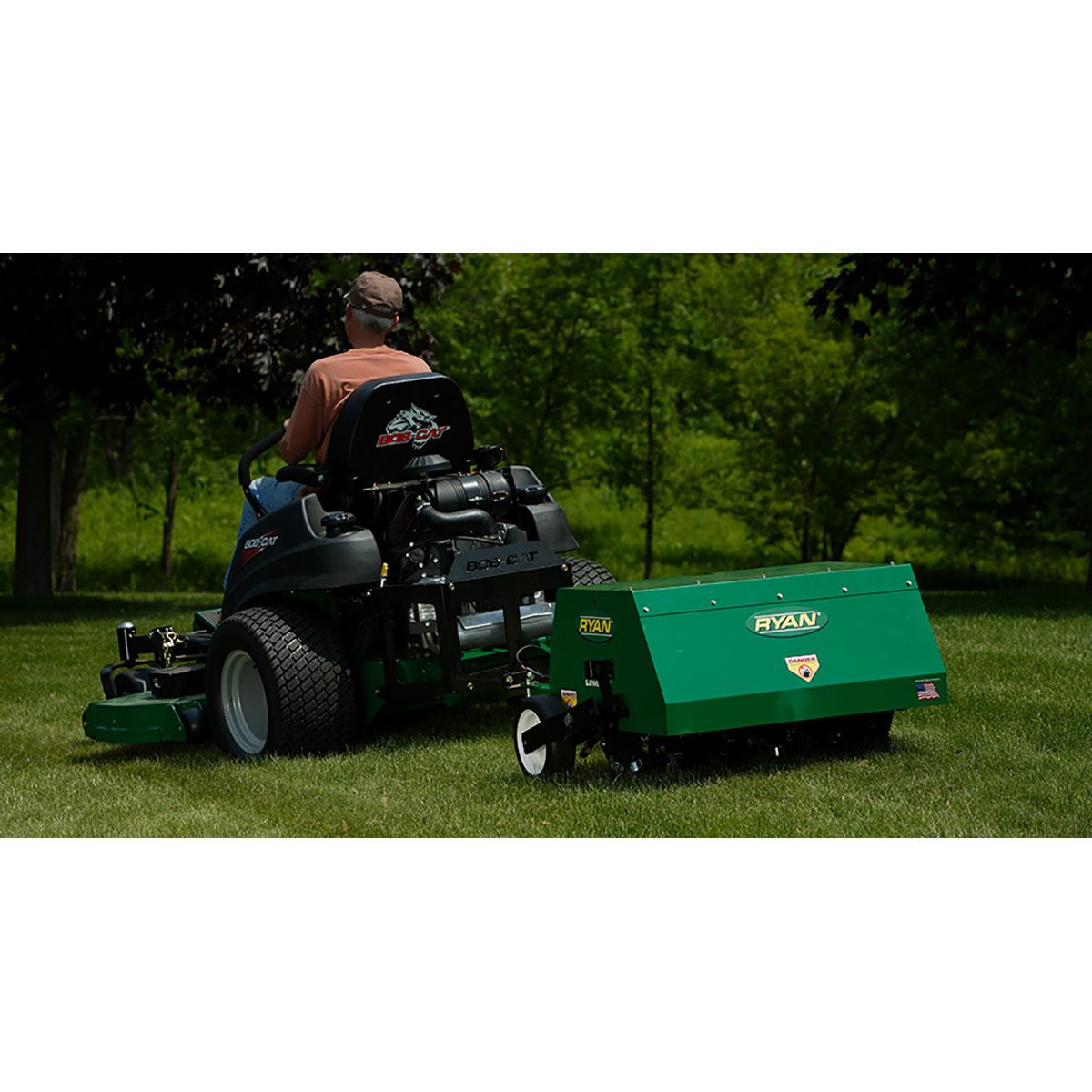
In summary, understanding how lawn aerators for compact soil work not only encourages healthier grass growth but also simplifies lawn maintenance. With the right aerator and proper care, you can easily enhance the quality of your soil and create the lush, green lawn you’ve always wanted. So, take the first step towards a better lawn and explore the world of aeration today!
FAQ Overview
What is lawn aeration?
Lawn aeration is the process of perforating the soil with holes to allow air, water, and nutrients to penetrate the grassroots.
How often should I aerate my lawn?
It is generally recommended to aerate your lawn once a year, ideally in the spring or fall, depending on your grass type.
Can I aerate my lawn if it is already healthy?
Yes, even healthy lawns can benefit from aeration, as it promotes better nutrient absorption and soil health.
Is manual aeration effective for large lawns?
While manual aerators are suitable for small areas, larger lawns typically require motorized aerators for efficiency and effectiveness.
What are the signs that my lawn needs aeration?
Signs include poor water drainage, thinning grass, and high foot traffic areas showing wear and compaction.


