
Decorative stone edging for gardens not only defines spaces but also adds a unique charm that enhances the overall aesthetic of your outdoor area. It’s a versatile and durable option that allows you to express creativity while ensuring functionality in your landscaping. With various techniques and stones available, the possibilities are endless, making it an exciting choice for any gardener.
This guide will delve into the methods of installing stone edging, the different types of stones you can use, and how to maintain them over time. Additionally, we’ll explore how stone edging can enhance your garden’s design and complement various outdoor features.
Decorative Stone Edging Techniques
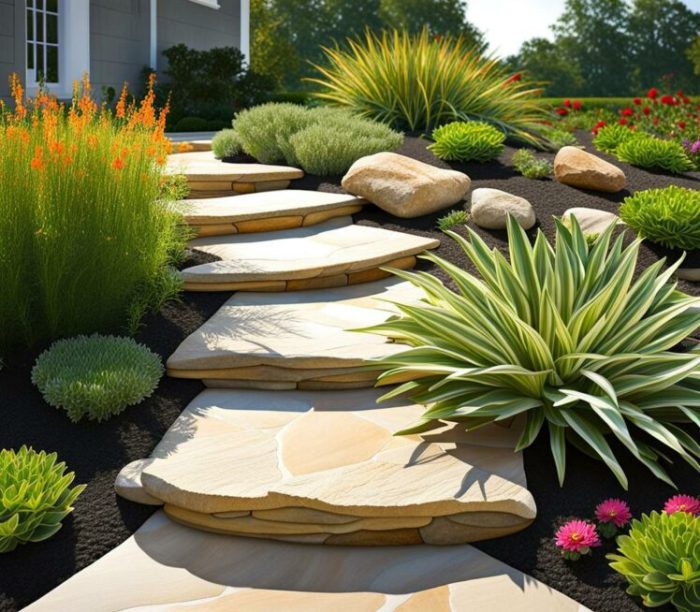
Decorative stone edging not only enhances the aesthetic appeal of gardens but also serves functional purposes such as defining boundaries and preventing soil erosion. Various techniques can be employed to install decorative stone edging, which can transform any garden space into a visually stunning landscape. This section delves into the methods of installation, types of stones suitable for edging, and guidelines for maintenance and repairs.
Methods for Installing Decorative Stone Edging
There are several effective techniques for installing decorative stone edging that cater to different garden styles and preferences. Understanding these methods will aid in selecting the best approach for your landscaping needs. Below are some popular techniques:
- Natural Stone Placement: This method involves selecting stones from nature, such as river rocks or boulders, and arranging them in a way that creates a natural look. This technique is ideal for rustic gardens.
- Mortared Stone Edging: Using cement or mortar to secure stones provides a more permanent edging solution. This technique is recommended for gardens that require clear demarcation, such as pathways.
- Dry Stack Stone Edging: In this method, stones are stacked without mortar to create a free-standing wall. This technique allows for flexibility in design and is excellent for creating curves and shapes.
- Concrete Pavers: Concrete pavers can be shaped and colored to mimic natural stone, offering a durable and uniform look. This method is suitable for modern gardens seeking a sleek appearance.
Types of Stones Suitable for Edging
Selecting the right type of stone for edging is crucial, as it affects not only the overall aesthetic but also the durability of the installation. Here are some commonly used stones and their characteristics:
- Slate: Known for its rich colors and layered appearance, slate is durable and weather-resistant, making it suitable for various garden styles.
- Granite: This hard stone is incredibly strong and can withstand harsh weather conditions. Its natural flecks and specks create a unique visual interest.
- Limestone: Limestone offers a softer appearance with earthy tones, providing a classic look that complements traditional gardens.
- Flagstone: Flagstone is flat and versatile, allowing for easy installation in various patterns. It adds a natural look to pathways and borders.
Maintenance and Repair of Decorative Stone Edging
Maintaining decorative stone edging is essential to ensure its longevity and aesthetic appeal. Regular upkeep can prevent issues such as shifting stones or weed growth. Key maintenance tips include:
- Regular Inspection: Check for any loose stones or dislodged sections periodically. Promptly address these issues to prevent further damage.
- Weed Control: Use mulch or landscape fabric beneath the stones to inhibit weed growth. Manual removal of weeds is also effective if they arise.
- Cleaning: Remove debris, dirt, and algae buildup by gently washing the stones with water and a brush. Avoid harsh chemicals that can damage the stone’s surface.
- Re-grouting or Replacing Stones: In cases where stones are cracked or damaged, consider re-grouting or replacing them to maintain the integrity of the edging.
Regular maintenance ensures that your decorative stone edging remains a beautiful and functional part of your garden landscape.
Enhancing Garden Design with Stone Edging
Decorative stone edging is a versatile element that can dramatically enhance the design of any garden. From contemporary minimalist landscapes to opulent cottage gardens, stone edging provides structure, definition, and an aesthetic appeal that ties the entire garden together. As gardens grow increasingly diverse, understanding how stone edging complements various styles can elevate your outdoor spaces significantly.Stone edging serves not only a functional purpose but also a design one.
It can create a clear boundary between different areas of the garden, helping to delineate pathways, flower beds, and vegetable patches. The choice of stone, whether it be smooth river stones or rugged slate, plays a crucial role in harmonizing with the garden’s overall theme. For instance, natural, uncut stone works beautifully in rustic gardens, while sleek, polished stones are ideal for modern setups.
Examples of Successful Garden Designs Featuring Stone Edging
Several garden designs showcase the successful integration of stone edging as a focal point. Here are a few notable examples:
- Japanese Zen Garden: A minimalistic garden featuring gravel and strategically placed stones not only enhances tranquility but also draws attention to the careful placement of each element.
- Cottage Garden: The use of irregularly shaped stones creates a charming, whimsical border that complements the vibrant and varied plant life typical of this style.
- Modern Landscape: Clean, geometric stone edging pairs with contemporary features such as water elements and sleek pathways, emphasizing simplicity and sophistication.
- Wildflower Garden: Soft, rounded stones blend seamlessly with native wildflowers, allowing the beauty of the natural environment to shine through while still providing structure.
The choice of stone, including its color and texture, significantly impacts the overall garden aesthetics. Not only do these elements define the boundaries, but they also contribute to the visual harmony of the space.
Impact of Color and Texture Choices in Stone Edging
The colors and textures of stone edging are crucial in establishing the mood and style of the garden. Light-colored stones create an airy, open feel, making spaces appear larger and more inviting. Conversely, darker stones add depth and contrast, which can make a garden feel cozier and more intimate.
“The right choice of stone can tie together disparate elements in a landscape, creating a cohesive and appealing look.”
Textures also play a vital role. Smooth stones can reflect light and soften the edges, while rough-hewn stones provide a more rustic, natural feel. Combining different textures, such as pairing smooth pebbles with rough boulders, can add visual interest and complexity to the garden design.In summary, the thoughtful application of decorative stone edging can dramatically enhance garden designs, providing both functional and aesthetic benefits.
By understanding how to complement various garden styles with suitable stone types, designers and homeowners alike can create beautiful, cohesive outdoor spaces that invite relaxation and enjoyment.
Related Outdoor Features
Decorative stone edging is not only a beautiful addition to gardens but can also enhance various outdoor features. By blending stone edging with other materials, such as stone bricks, and implementing it around pools and spas, homeowners can create cohesive and functional outdoor spaces. This section explores effective combinations of stone edging with different elements and provides essential guidelines for installation and maintenance.
Combination with Stone Brick Elements
Decorative stone edging can seamlessly integrate with stone brick elements in various outdoor settings, such as storage garages and garden pathways. This combination not only enhances visual appeal but also establishes clear boundaries and adds structural integrity.Utilizing stone bricks alongside decorative stone edging creates a unified theme throughout the outdoor space. For example, a garden pathway lined with stone bricks can be bordered with decorative stone edging to provide a clear demarcation, enhancing both functionality and aesthetics.
The stone edging can also help prevent erosion of soil around the pathway, ensuring longevity and stability.
Incorporation Around Swimming Pools and Spas
Integrating decorative stone edging around swimming pools and spas serves both safety and visual appeal. The edging can help define the pool area, create a non-slip surface, and reduce the risk of accidents by providing a clear boundary.Incorporating stone edging around pools can be done creatively, using textured stone that contrasts with the smooth surface of the water. For instance, a rough-cut stone can add a rustic charm, while polished stones can offer a modern look.
Additionally, decorative stone edging can be used to encircle spa areas, creating an inviting and cohesive space for relaxation.
Essential Tools and Equipment for Installation and Maintenance
Before beginning the installation of decorative stone edging, having the right tools and equipment is essential. This ensures a smooth process and aids in maintaining the edging over time. Here’s a checklist of the necessary tools and equipment:
Shovel
For digging trenches to lay the stone edging.
Level
To ensure that the edging is installed evenly.
Rubber Mallet
To gently tap the stones into place without damaging them.
Landscape Fabric
To prevent weed growth beneath the stone edging.
Gloves
For hand protection during installation.
Wheelbarrow
To transport stones and other materials easily.
Garden Hose
To Artikel the desired shape of the edging before installation.
Trowel
For smoothing out soil and leveling the area.By preparing with these essential tools, homeowners can ensure a successful installation of decorative stone edging, leading to a beautifully defined garden area that enhances the overall outdoor experience.
Summary
In conclusion, decorative stone edging for gardens serves as a beautiful yet practical solution for enhancing your garden’s appearance. By mastering the techniques and understanding the materials available, you can create stunning landscapes that reflect your personal style. Whether you’re aiming for a modern look or a classic touch, stone edging can transform your garden into a captivating oasis.
FAQ Corner
What types of stone are best for edging?
Popular options include granite, slate, and river stones, each offering unique aesthetics and durability.
How do I maintain my stone edging?
Regularly check for loose stones, remove weeds, and consider resealing if applicable to preserve its appearance.
Can stone edging be used in small gardens?
Absolutely! Stone edging can define small spaces effectively without overwhelming them.
Is stone edging safe around pools?
Yes, when installed properly, stone edging can provide a safe and attractive border around pools and spas.
What tools do I need for installation?
Essential tools include a shovel, level, rubber mallet, and landscaping fabric for optimal results.


