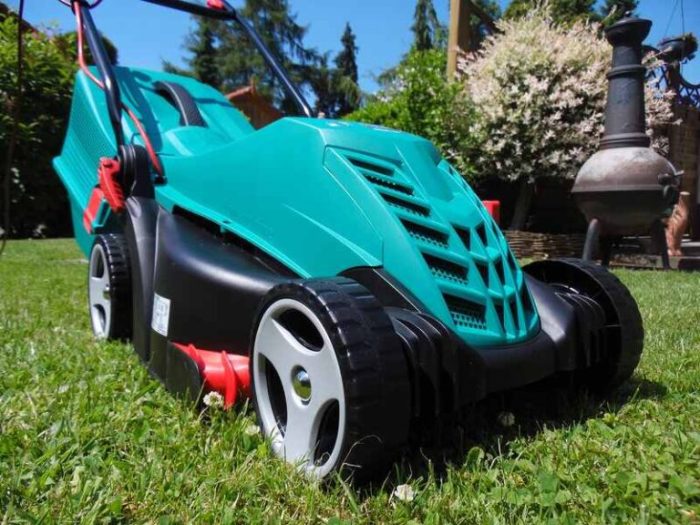
Electric vs gas-powered lawn equipment serves as a pivotal decision point for homeowners and landscapers alike, influencing everything from maintenance routines to environmental impact. Each type of equipment brings its own set of advantages and disadvantages, making it essential to weigh factors such as performance, convenience, and eco-friendliness. As we delve into this topic, we’ll explore the key comparisons that can guide you in choosing the right tools for your lawn care needs.
The discussion will shed light on the maintenance requirements, energy consumption, and overall impact on both your lawn and the environment. By breaking down these elements, you’ll gain valuable insights that can help you make an informed choice tailored to your specific landscaping goals.
Electric vs Gas-Powered Lawn Equipment
When it comes to maintaining a pristine lawn, one of the crucial decisions homeowners face is choosing between electric and gas-powered lawn equipment. Both options have unique features and benefits that cater to different needs and preferences. Understanding their advantages and disadvantages, as well as their maintenance requirements, can help you make an informed choice that suits your gardening style and environmental considerations.
Advantages and Disadvantages
Electric and gas-powered lawn equipment each come with distinct advantages and disadvantages worth considering. Electric lawn equipment tends to be quieter, producing less noise pollution, which is beneficial for maintaining neighborhood peace. They are also easier to start, requiring just the flip of a switch, and generally lighter, making them easier to maneuver. However, they often come with limited battery life or require access to a power outlet, which can restrict their range during use.On the other hand, gas-powered equipment offers robust power and longer operational times, allowing users to tackle larger areas without interruptions.
They tend to perform better in heavy-duty tasks, such as cutting thick grass or tackling rough terrain. The downside to gas equipment includes higher emissions, noise levels, and more extensive maintenance requirements due to the engine’s complexity.
Maintenance Needs
Maintaining lawn equipment is crucial for ensuring longevity and performance. The maintenance needs differ significantly between electric and gas-powered options.Electric equipment typically requires minimal upkeep:
- Regularly inspect the power cord for damage and ensure connections are secure.
- Clean the blades after each use to avoid buildup, which can affect performance.
- Store the battery in a cool, dry place if it’s a cordless model, maintaining optimal battery health.
Gas-powered equipment demands more attention:
- Regular oil changes are necessary to keep the engine running smoothly.
- Air filters should be cleaned or replaced periodically to ensure optimal airflow.
- Fuel quality matters; using fresh gasoline can prevent engine issues and improve efficiency.
Environmental Impact and Energy Consumption
The environmental implications of using electric versus gas-powered lawn equipment are significant. Electric models produce zero emissions during operation, making them a more eco-friendly choice. They draw power from the grid, which can include renewable energy sources, reducing their overall carbon footprint.Gas-powered equipment, in comparison, contributes to air pollution due to emissions released during operation. The burning of gasoline not only emits greenhouse gases but also increases noise pollution, which can disturb wildlife and neighbors alike.
In terms of energy consumption, electric equipment generally consumes less energy when considering the efficiency of electric motors compared to gas engines. For instance, a typical electric mower can consume around 0.5 kWh for an hour of mowing, while a gas mower running for the same duration might use approximately 0.2 gallons of gasoline, translating to around 1.6 kWh of energy when considering the energy density of gasoline.
The choice between electric and gas-powered lawn equipment directly influences maintenance routines, environmental impacts, and operational efficiency.
Stone Brick
Stone brick is a favored choice in landscaping due to its unique aesthetic appeal and durability. Its timeless look enhances outdoor spaces, blending seamlessly with natural surroundings. Moreover, stone bricks are not only visually striking but also highly functional, providing stability and support for various landscaping features. When paired with both electric and gas-powered lawn equipment, stone brick can be maintained efficiently, creating a picturesque outdoor environment.Maintaining stone brick areas involves specific techniques to keep them looking pristine and functional.
Regular upkeep is essential, especially in regions where weather can wear down landscaping materials. Here are effective methods to maintain stone brick areas while utilizing lawn equipment:
Efficient Maintenance of Stone Brick Areas
Proper maintenance of stone brick landscaping ensures longevity and enhances the overall appearance of your outdoor spaces. By following these practices, you can efficiently maintain your stone brick areas:
- Regular Weeding: Use electric or gas-powered weed eaters to trim unwanted vegetation around the stone bricks. This prevents weeds from taking root in the joints and helps maintain a clean look.
- Pressure Washing: For thorough cleaning, a pressure washer can effectively remove dirt, algae, and debris from stone brick surfaces, revitalizing their appearance.
- Joint Maintenance: Inspect the joints between bricks for erosion. Resealing or filling these gaps with new sand or polymeric joint material can prevent weed growth and erosion.
- Edging with Lawn Equipment: Use lawn edgers to create clear boundaries around stone brick features, ensuring grass does not encroach upon the bricks and maintaining a tidy appearance.
Choosing the right equipment for landscaping with stone brick features is crucial for efficient maintenance and care. The equipment selected should complement the specific requirements of stone brick areas to achieve the best results.
Choosing Equipment for Landscaping with Stone Brick
Selecting appropriate lawn equipment is essential when working with stone brick features. The right tools can simplify the maintenance process and preserve the integrity of the bricks. Consider the following points when choosing equipment:
- Power vs. Manual Tools: Electric tools are often quieter and less polluting, making them suitable for residential areas. Gas-powered tools may provide more power for larger areas but can be noisy and require more maintenance.
- Compatibility: Ensure that the lawn equipment is designed to handle the specific tasks needed for stone brick maintenance. For example, a lightweight trimmer is ideal for edging around bricks without damaging them.
- Versatility: Choose tools that can serve multiple purposes, like a multi-tool system with interchangeable heads. This can save space and reduce costs.
- Ease of Use: Select equipment that is user-friendly and comfortable to operate, especially for prolonged use. Ergonomic designs help prevent fatigue and improve efficiency.
“Investing in the right lawn equipment not only enhances the maintenance of stone brick landscaping but also contributes to the overall aesthetic appeal of your outdoor space.”
Tools and Equipment for Lawn Care
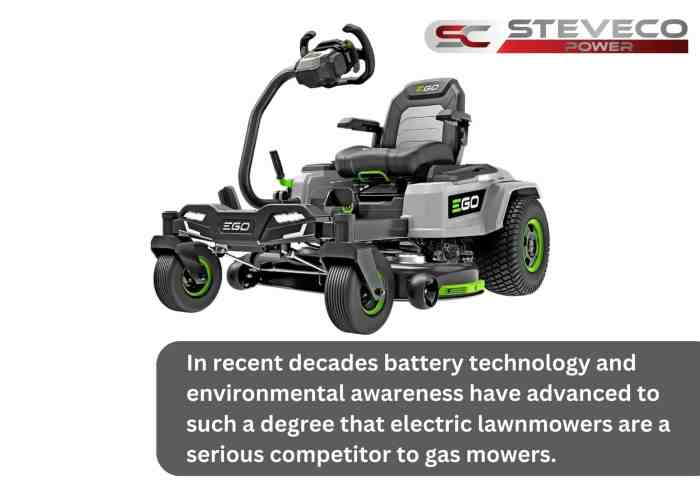
Taking care of a lawn requires the right tools and equipment, regardless of whether you choose electric or gas-powered options. The right equipment not only makes the job easier but also ensures a well-maintained lawn that enhances the aesthetic appeal of your property. Below is a curated list of essential tools and equipment for effective lawn care.
Essential Tools and Equipment for Lawn Care
Investing in the right tools for lawn care can significantly improve the efficiency of your gardening tasks. Below are the necessary tools categorized for both electric and gas-powered options:
- Lawn Mowers: Both electric and gas-powered mowers are crucial for maintaining your lawn’s height.
- String Trimmers: Ideal for edging and trimming where mowers cannot reach.
- Leaf Blowers: Useful for clearing leaves and debris efficiently.
- Hedge Trimmers: Essential for shaping and maintaining hedges and shrubs.
- Garden Rakes: Important for gathering leaves and debris, especially in the fall.
- Shovels and Spades: Necessary for digging and planting tasks.
- Sprayers: Used for applying fertilizers or pesticides effectively.
Best Practices for Safe Operation of Lawn Care Tools
Safety should always be a priority when using lawn care tools. Following best practices can help you avoid accidents and injuries while working in your yard.
- Always wear appropriate personal protective equipment (PPE), including gloves, safety glasses, and sturdy footwear.
- Before use, check equipment for any damages or wear, ensuring that all safety features are functioning properly.
- Keep the work area clear of obstacles and debris to prevent tripping hazards.
- Follow manufacturer instructions for starting and operating equipment to minimize risks.
- Never operate tools in wet conditions to avoid slipping or electrical hazards.
- Turn off equipment when not in use and before performing any maintenance.
Tips for Maximizing Efficiency in Lawn Care
To get the most out of your lawn care tools, consider the following tips that can enhance your efficiency and productivity during gardening tasks.
- Plan your lawn care schedule based on the weather and growth patterns; mowing when grass is dry yields better results.
- Sharpen mower blades regularly to ensure a clean cut, which promotes healthier grass.
- Group similar tasks together; for instance, mow before trimming to save time.
- Utilize mulching settings on mowers to recycle grass clippings, effectively reducing waste.
- Maintain a consistent cleaning routine for your tools to prolong their life and effectiveness.
- Invest in multi-functional tools to save space and reduce the number of necessary items.
Ultimate Conclusion
In conclusion, choosing between electric and gas-powered lawn equipment boils down to a balance of personal preference and practical considerations. Whether you lean towards the efficiency and low emissions of electric tools or the power and mobility offered by gas options, understanding the nuances of each will empower you to maintain your lawn effectively. Ultimately, your choice can significantly influence not only the appearance of your outdoor space but also your environmental footprint.
FAQ Compilation
What are the main advantages of electric lawn equipment?
Electric lawn equipment is generally quieter, requires less maintenance, and produces no emissions during operation, making it an eco-friendly option.
Are gas-powered lawn tools more powerful than electric?
Yes, gas-powered tools often provide more power and are better suited for larger, more demanding tasks compared to most electric alternatives.
How do I maintain electric lawn equipment?
Regularly check and clean the blades, ensure the battery is properly charged, and inspect the power cord for any damage to keep electric tools in good condition.
Can electric lawn equipment handle wet grass?
It is generally not recommended to use electric lawn equipment on wet grass as it can lead to poor performance and safety hazards.
Which type of equipment is more cost-effective long-term?
While electric equipment may have a higher upfront cost, their lower operating costs and reduced maintenance needs can make them more cost-effective over time.


