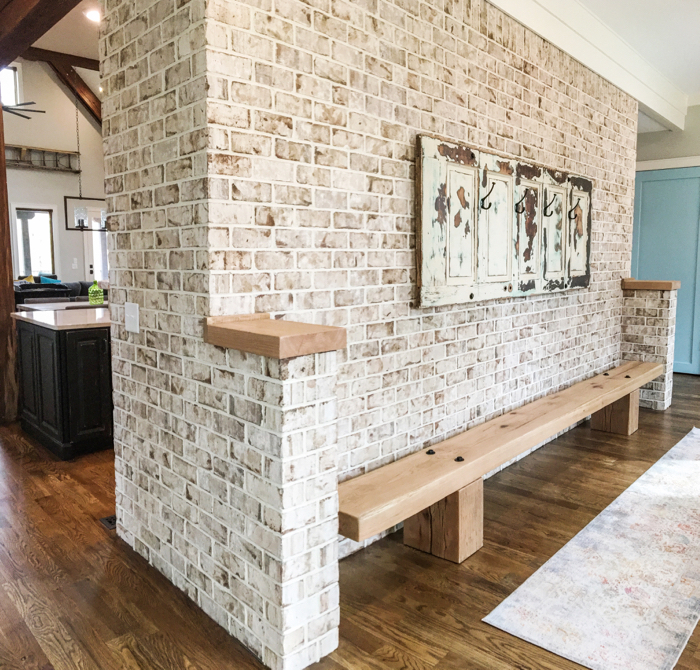
Thin brick for interior walls presents an innovative design solution that blends rustic charm with modern aesthetics. As more homeowners seek to create unique and inviting spaces, thin brick emerges as a versatile option that not only enhances the visual appeal but also offers practical benefits that traditional materials may lack.
With its lightweight structure, thin brick provides a striking backdrop that can elevate any room’s decor while ensuring durability and ease of maintenance. From its cost-effectiveness compared to traditional brick to its seamless installation process, thin brick stands out as a leading choice for interior design enthusiasts looking to make a lasting impression.
Characteristics and Benefits of Thin Brick for Interior Walls
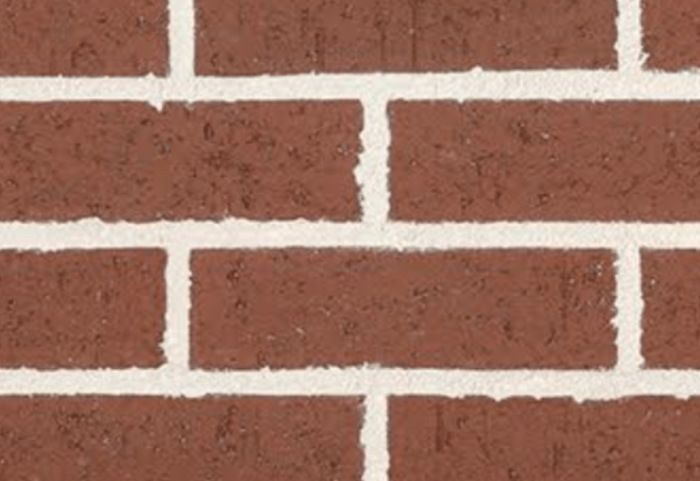
Thin brick has emerged as a popular choice for interior walls, blending the timeless elegance of traditional brick with modern design sensibilities. The ability to deliver both aesthetic appeal and functional advantages makes thin brick an exceptional option for homeowners looking to elevate their interior spaces. This innovative material offers a unique visual texture that can complement various design styles, from rustic to contemporary.The aesthetic appeal of thin brick is primarily derived from its versatile colors and finishes, which can enhance any room’s ambiance.
Available in a range of shades, from warm earthy tones to cool grays, thin brick can create striking feature walls or provide subtle accents that harmonize with existing decor. Its ability to mimic the look of full-sized brick while being lighter and easier to install adds to its charm, making it suitable for both residential and commercial environments.
Durability and Maintenance Advantages
Thin brick is not only visually appealing but also boasts significant durability and maintenance benefits that make it an ideal choice for interior walls. The material is designed to withstand wear and tear, making it resistant to chipping, cracking, and fading over time. This resilience is particularly advantageous in high-traffic areas where conventional wall treatments may succumb to damage.Maintenance of thin brick is straightforward, as it requires minimal effort compared to other wall finishes.
A simple wipe with a damp cloth is often sufficient to keep it looking fresh, and it does not require frequent repainting or refinishing. This low-maintenance characteristic is especially appealing to busy homeowners or those looking to minimize upkeep.
Comparison with Traditional Brick
When considering the use of thin brick for interior walls, it’s important to note its advantages over traditional brick in terms of installation and cost-effectiveness. The installation process for thin brick is significantly easier and quicker, as it can be adhered directly to existing wall surfaces without the need for specialized tools or extensive groundwork. This can reduce labor costs and the overall timeframe for project completion.In terms of cost-effectiveness, thin brick often represents a more budget-friendly option than traditional brick.
The reduced weight of thin brick allows for less structural support, lowering material expenses. Additionally, the quicker installation means that homeowners can save on labor costs. Overall, thin brick offers a compelling combination of aesthetics, durability, and cost advantages, making it a smart choice for modern interior design.
Installation Process for Thin Brick on Interior Walls
Installing thin brick on interior walls can transform a space, offering both aesthetic appeal and functional benefits. Understanding the installation process is crucial for achieving professional results. This guide covers the steps necessary to prepare your wall for thin brick installation, the tools and equipment you’ll need, and best practices for sealing and finishing to ensure durability and beauty.
Preparing the Wall for Thin Brick Installation
Properly preparing the wall is essential for ensuring a successful thin brick installation. Here’s a detailed step-by-step process to follow:
- Choose the Right Wall Surface: Ensure the wall is clean, dry, and free of any debris. Remove any old wallpaper, paint, or existing wall coverings that may interfere with adhesion.
- Inspect for Damage: Look for any cracks or holes in the wall surface. Repair these with appropriate filler or patching compound to create a smooth, even surface.
- Apply a Backer Board (if necessary): For added support, especially in high-moisture areas, install a cement backer board over the drywall. Ensure the board is securely fastened.
- Mark Reference Lines: Use a level and pencil to mark vertical and horizontal reference lines on the wall. These will guide your brick placement and help maintain a straight layout.
- Dry Fit the Bricks: Lay out the thin bricks without adhesive to visualize the pattern and make adjustments as needed. This helps to avoid awkward cuts during installation.
Required Tools and Equipment
Having the right tools and equipment is vital for a smooth installation process. Below is a list of essential items you’ll need:
“Investing in quality tools can significantly affect the outcome of your thin brick installation.”
- Trowel: A notched trowel will help spread the adhesive evenly.
- Level: To ensure each brick is installed correctly and uniformly.
- Measuring Tape: For accurate measurements of the wall and bricks.
- Utility Knife: For cutting bricks to fit around edges and corners.
- Mixing Bucket: For preparing mortar or adhesive.
- Spacers: To maintain consistent gaps between bricks.
- Grout Float: For applying grout after the bricks are set.
- Sponge: To clean excess grout from the surface.
Sealing and Finishing Thin Brick
To enhance the longevity and appearance of your thin brick installation, proper sealing and finishing are crucial. Follow these best practices:
“A well-sealed brick surface not only enhances aesthetics but also protects against moisture and stains.”
- Allow Mortar to Cure: Wait for the mortar to set and cure completely before applying any sealants, typically 24 to 48 hours.
- Select the Appropriate Sealant: Choose a breathable sealant suitable for masonry. This helps prevent moisture buildup while protecting the surface.
- Apply Sealant Evenly: Use a paint roller or sprayer to apply the sealant evenly across the brick surface, ensuring all areas are covered.
- Finish with Grout (if applicable): Fill the joints between the bricks with grout using a grout float. Remove any excess grout promptly to prevent staining.
- Final Cleaning: After the grout has cured, lightly clean the brick surface with a damp sponge to remove any remaining residue.
Complementary Elements and Features for Interior Design
Thin brick, with its rustic charm and timeless appeal, can create a stunning backdrop for various design elements in interior spaces. When harmonized with other materials, thin brick can enhance the overall aesthetic and function of a home, making it a versatile choice in modern design schemes. Integrating thin brick not only adds character but can also serve as a bridge between different styles and materials, establishing a cohesive look throughout the home.
Harmonization with Stone Brick Elements
The pairing of thin brick with stone brick elements can create a harmonious blend of textures and colors that enriches interior design. Stone brick brings a rugged, natural quality, while thin brick adds a touch of warmth and elegance. When these two materials are combined thoughtfully, they can enhance the visual appeal of spaces such as living rooms, kitchens, and entryways.For a cohesive design, consider the following approaches:
- Choose a complementary color palette, such as warm earth tones or cool grays, to ensure that the thin brick and stone brick elements work together seamlessly.
- Incorporate both materials in features like accent walls or fireplace surrounds to create focal points that draw the eye and invite conversation.
- Use thin brick as a backsplash in kitchens with stone brick countertops, creating a beautiful contrast that highlights the textures of both materials.
Complementary Yard Equipment for Thin Brick Interiors
The beauty of thin brick does not need to be confined to the interior; it can also be echoed in outdoor spaces through carefully selected yard equipment. Choosing outdoor elements that complement thin brick interiors can enhance the overall harmony of your home’s design.Consider these suggestions for yard equipment that pairs well with thin brick:
- Natural wood furniture that echoes the warmth of the brick.
- Metal planters with sleek lines to provide a modern contrast.
- Stone pathways that mimic the textures of both thin brick and stone brick elements in the home.
By aligning outdoor equipment with the interior style, you create a seamless transition from inside to outside, enhancing the overall design coherence.
Integrating Thin Brick with Storage Garages and Swimming Pools
Thin brick can significantly elevate the design of practical spaces like storage garages and luxurious amenities such as swimming pools or spas. Its aesthetic versatility allows it to blend effortlessly with various architectural features.For garages, consider adding thin brick to the exterior as a feature wall or using it in combination with modern garage doors. This can create a sophisticated look while maintaining functionality.
Similarly, when designing pool areas or spas, thin brick can be used in the surrounding patio or as a decorative border that ties in with the indoor theme.Here are some design ideas to integrate thin brick effectively:
- Create a thin brick pathway leading to the pool area, providing a cohesive flow from the house to the outdoor space.
- Use thin brick for poolside retaining walls or seating areas to enhance textural interest while ensuring durability against moisture.
- Incorporate thin brick into outdoor kitchens adjacent to pools, creating a stylish cooking environment that mirrors the elegance of the interior.
Ultimate Conclusion
In summary, thin brick for interior walls is a captivating blend of beauty and functionality that can transform your home. Whether you’re looking to create a warm atmosphere or add a touch of sophistication, thin brick offers endless possibilities for customization and integration with various design elements, ensuring your space remains both stylish and practical.
Essential FAQs
What is thin brick?
Thin brick is a lightweight version of traditional brick, designed for easier installation on interior walls while maintaining the classic brick aesthetic.
How does thin brick compare to traditional brick in terms of cost?
Thin brick is generally more cost-effective due to lower material and installation costs, making it an attractive option for budget-conscious homeowners.
Can I install thin brick myself?
Yes, with the right tools and a bit of DIY knowledge, you can install thin brick yourself, though hiring a professional can ensure a flawless finish.
What maintenance is required for thin brick walls?
Thin brick requires minimal maintenance, mainly consisting of occasional cleaning and sealing to protect against moisture and stains.
Can thin brick be used in humid areas like bathrooms?
Yes, when properly sealed, thin brick can be used in humid areas, but it’s important to choose the right sealant to enhance moisture resistance.


