
Modern window design trends are redefining how we view our homes, blending style with functionality in ways that resonate with contemporary living. From sleek lines to innovative materials, today’s window designs not only enhance the aesthetic appeal of a property but also contribute to its energy efficiency and overall comfort.
The latest trends showcase a movement towards maximizing natural light and ventilation while seamlessly integrating windows with other architectural features, creating a harmonious environment. As we explore these trends, we will also delve into how modern windows adapt to various home styles and contribute to outdoor spaces, making them a focal point of any design plan.
Current Trends in Modern Window Design
As we navigate through the evolving landscape of architecture and home design, modern window design continues to make significant strides. Homeowners and architects are increasingly focusing on aesthetics, functionality, and sustainability, leading to the emergence of innovative styles and materials that redefine how we perceive and utilize windows in our living spaces.The latest styles in modern window designs reflect a blend of minimalism and sophistication, often incorporating large glass panels, clean lines, and geometric shapes.
Materials such as aluminum, fiberglass, and composite frames are favored for their durability and low maintenance, while triple-glazed glass has gained popularity for its superior insulation properties. These advancements provide not only enhanced visual appeal but also improved performance in energy efficiency.
Comparison Between Traditional and Contemporary Window Designs
Understanding the differences between traditional and contemporary window designs helps highlight the evolution of architectural preferences over time. Traditional window styles often feature ornate frames, divided lights, and classic materials like wood, emphasizing craftsmanship and historical aesthetics. In contrast, modern window designs lean toward a more streamlined and functional approach, showcasing expansive glass surfaces that create a seamless connection between indoor and outdoor spaces.
Traditional windows typically include
Wooden frames
Multi-pane designs
Detailed moldings and trims
Contemporary windows are characterized by
Larger glass areas for natural light
Simplified frames made from materials like aluminum or vinyl
Energy-efficient glazing options
The transition from intricate details to a focus on simplicity and efficiency marks a significant shift in design ethos, catering to a lifestyle that values openness and connection to the environment.
Impact of Energy Efficiency on Window Design Trends
Energy efficiency has become a pivotal factor in shaping modern window design trends. With growing awareness about environmental impact and energy costs, homeowners are more inclined to invest in windows that reduce energy consumption. This shift has led to the incorporation of advanced technologies and materials aimed at enhancing thermal performance.Innovations such as low-emissivity (Low-E) glass and argon gas fills between panes are increasingly standard in modern window designs.
These technologies improve insulation and minimize heat transfer, ultimately contributing to a more sustainable living environment. Furthermore, the aesthetic benefits of energy-efficient windows are notable. Architects and designers leverage these advancements to create visually stunning large openings that allow for expansive views while maintaining energy efficiency. In modern window design, energy efficiency is not merely a functional aspect but is also integral to the overall architectural vision, reflecting a commitment to sustainability without compromising style and comfort.
Functional Aspects of Modern Window Designs
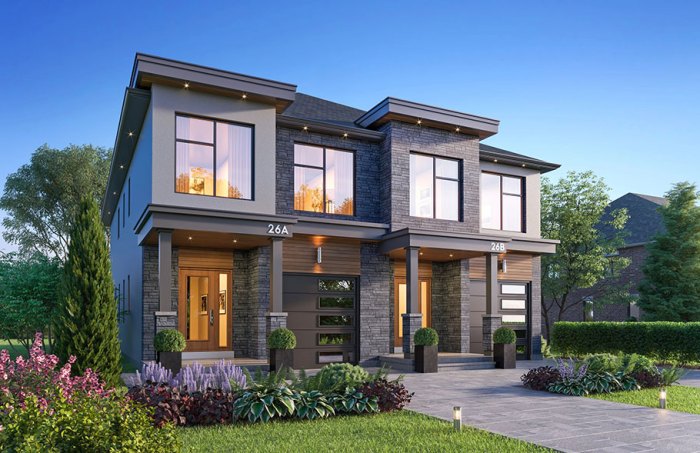
Modern window designs play a pivotal role in enhancing the functionality of a home. Beyond aesthetics, they are crucial for ventilation, natural lighting, and overall safety. As we delve into the functional aspects of contemporary window designs, we will explore how they optimize airflow, contribute to efficient storage solutions, and bolster home security and durability.
Ventilation and Natural Lighting
Windows are fundamental in facilitating ventilation and allowing natural light to flow into living spaces. Proper ventilation helps regulate indoor temperatures and improves air quality, which is essential for a healthy living environment. Natural lighting not only reduces reliance on artificial lighting, thus saving energy costs, but also enhances the mood and ambiance of a home. Modern window designs incorporate larger panes, strategic placements, and innovative opening mechanisms that maximize airflow and light penetration.
Key aspects of modern window designs that enhance these functionalities include:
- Energy-efficient materials such as double-glazed glass that minimizes heat loss while maximizing sunlight.
- Large and strategically placed windows that encourage cross-ventilation, thereby improving airflow.
- Skylights that bring in natural light from above, reducing the need for artificial lighting in interior spaces.
Improved Yard Equipment Storage Solutions
Modern window designs have been creatively utilized to enhance the functionality of yard equipment storage solutions. By integrating window features that open up storage areas to natural light and proper ventilation, homeowners can maintain a more organized and appealing outdoor storage environment. These enhancements can be achieved through:
- Windows that are easily accessible and designed to open inwardly, allowing for easy retrieval of equipment without obstructing the space.
- Transom windows installed high on walls, which can provide light while keeping the storage area secure and hidden from direct view.
- Using window designs that allow for airflow to prevent moisture buildup, reducing the risk of rust and damage to tools and equipment.
Contribution to Home Safety and Durability
Safety and durability are essential considerations in modern window designs. Robust materials and innovative engineering ensure that windows can withstand harsh weather conditions while providing an additional layer of security against intruders. Elements that contribute to these aspects include:
- Impact-resistant glass that can withstand strong winds and flying debris, providing protection during storms.
- Multi-point locking systems that enhance security and deter break-ins.
- Frames constructed from durable materials such as vinyl or fiberglass that resist warping, rotting, and corrosion.
“Modern windows not only enhance the aesthetic appeal of a home but significantly contribute to its overall functionality, safety, and longevity.”
Last Word
In conclusion, modern window design trends offer exciting possibilities for homeowners looking to enhance both the beauty and functionality of their spaces. With a focus on energy efficiency, aesthetic integration, and innovative features, these windows not only elevate your home’s appeal but also support a sustainable lifestyle. Embracing these trends can lead to a more comfortable and stylish living environment, making the most out of every view.
Key Questions Answered
What are the benefits of modern window designs?
Modern window designs improve energy efficiency, enhance natural light, and provide better ventilation, all while adding aesthetic appeal to homes.
How do modern windows compare to traditional ones?
Modern windows often feature sleek lines, innovative materials, and energy-efficient technology, whereas traditional windows may emphasize more classic styles and less efficient materials.
Can modern windows be used in older homes?
Yes, modern windows can be integrated into older homes by choosing designs that complement the existing architecture while providing updated functionality.
What materials are commonly used in modern window designs?
Common materials include aluminum, fiberglass, and vinyl, which offer durability and energy efficiency along with a contemporary look.
How do modern windows enhance outdoor spaces?
Modern windows can create a seamless transition between indoor and outdoor areas, making spaces like patios and pools more inviting and visually appealing.


