When tackling home improvement tasks, having the right tools can make all the difference. Top tools for plumbing and electrical jobs not only enhance efficiency but also ensure safety and precision in your projects. Whether you’re a seasoned professional or a DIY enthusiast, understanding the essential equipment will elevate your work to a whole new level.
From plumbing wrenches to electrical testers, each tool has its unique function and importance. This guide will explore the must-have tools, their applications, and how to organize them effectively for various home improvement tasks.
Essential Plumbing Tools
Plumbing tasks require the right set of tools to ensure efficiency and accuracy, whether you’re a professional plumber or a DIY enthusiast tackling projects around the house. Having the essential tools on hand not only simplifies the job but also enhances the quality of the work. Below is a breakdown of key plumbing tools, their functions, and comparisons of various brands.Understanding the necessary tools can make all the difference in plumbing tasks, from basic repairs to complex installations.
Each tool has a specific purpose that contributes to the overall success of plumbing work. Below is a comprehensive list of essential tools, along with their uses.
Key Plumbing Tools and Their Uses
The following tools are indispensable for anyone working in plumbing. Each tool has a unique function that aids in various plumbing tasks.
- Pipe Wrench: This tool is designed to grip and turn pipes. It is especially useful for loosening or tightening plumbing connections.
- Adjustable Wrench: Versatile and handy, the adjustable wrench can fit various sizes of nuts and bolts, making it ideal for different tasks.
- Plumber’s Tape: Also known as Teflon tape, this helps create a watertight seal on threaded joints, preventing leaks.
- Plumbing Snake: A plumbing snake is essential for clearing blocked drains and pipes efficiently.
- Pipe Cutter: This tool makes clean, precise cuts in copper, PVC, and other types of pipes, ensuring a smooth installation process.
The following table compares different brands of essential plumbing tools based on features and user ratings.
| Tool | Brand | Features | User Rating |
|---|---|---|---|
| Pipe Wrench | Ridgid | Heavy-duty, adjustable jaw, ergonomic grip | 4.8/5 |
| Adjustable Wrench | Milwaukee | Wide jaw capacity, durable construction | 4.7/5 |
| Plumber’s Tape | Oatey | Thick, teflon material, easy to apply | 4.6/5 |
| Plumbing Snake | Drain King | Flexible design, easy to use, various sizes | 4.5/5 |
| Pipe Cutter | Husky | Compact, sharp blades, suitable for various pipes | 4.4/5 |
“Having the right plumbing tools can make even the most complex jobs manageable.”
Key Electrical Tools
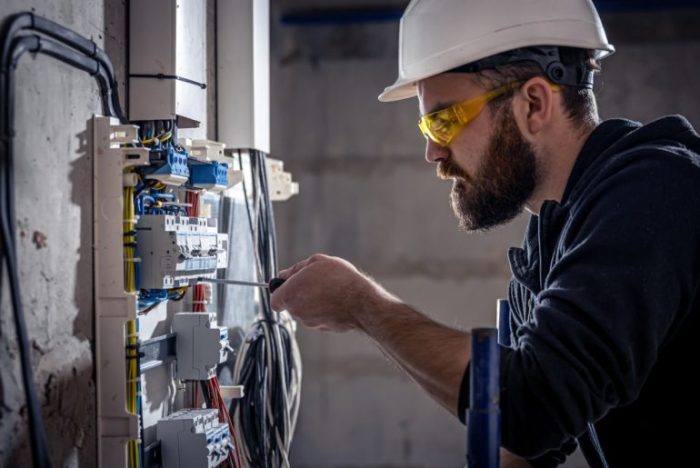
Electrical work requires a range of specialized tools to ensure projects are completed safely and efficiently. Understanding which tools are essential can enhance productivity and minimize risks. This guide Artikels the must-have tools for electrical jobs, their applications, and critical safety equipment.
Essential Electrical Tools and Their Applications
A variety of tools are necessary for different aspects of electrical work, from installation to troubleshooting. Here’s a list of some key tools along with their specific uses:
- Wire Strippers: These tools are used to remove the insulation from electrical wires without damaging the wire itself. Choose a wire stripper that is suitable for the gauge of wire you’ll be working with to ensure a clean cut.
- Multimeter: This is an essential diagnostic tool that measures voltage, current, and resistance. Familiarize yourself with its settings to effectively troubleshoot electrical systems.
- Screwdrivers: A set of flathead and Phillips screwdrivers in various sizes is crucial for securing and removing electrical components. Using the correct size prevents stripping screw heads.
- Pliers: Combination pliers are versatile for gripping, twisting, and cutting wire. Needle-nose pliers are also handy for working in tight spaces.
- Circuit Tester: This tool is used to check the presence of voltage in electrical devices and outlets. Always test circuits before beginning work to ensure safety.
- Fish Tape: Used for running wire through walls or conduits, fish tape helps navigate tricky spaces without damaging existing structures.
- Voltage Tester: A simple tool to ensure that an electrical circuit is de-energized before working on it. This is a crucial part of any electrician’s safety routine.
Safety Equipment for Electrical Work
Safety should be the top priority when working with electrical systems. Utilizing the right safety equipment is essential to protect yourself from potential hazards. Here are some critical safety tools:
- Insulated Gloves: Wearing insulated gloves protects against electric shock while handling live wires. Ensure they are rated for the voltage level you are working with.
- Safety Goggles: These protect your eyes from debris and sparks encountered when cutting or stripping wires. A clear view is essential to maintain focus on intricate tasks.
- Hard Hat: Wearing a hard hat protects against falling objects in work environments, especially if working in areas with overhead installations.
- Respirator: If working in areas with poor ventilation or where dust is present, a respirator is necessary to protect your lungs from harmful particles.
- First Aid Kit: Always have a first aid kit on hand to address minor injuries quickly. It ensures that you are prepared for unexpected incidents.
Tips for Effective Usage of Electrical Tools
Knowing how to properly use electrical tools can greatly enhance efficiency and safety. Here are some tips to keep in mind:
- Read the Manual: Always read the manufacturer’s instructions before using any tool. Understanding its specific features ensures correct usage.
- Regular Maintenance: Keep tools in good working condition through regular cleaning, sharpening, and lubrication. This extends tool life and enhances performance.
- Practice Safety Precautions: Always work with the power turned off when performing electrical work. Double-check with a voltage tester to ensure safety.
- Organize Your Workspace: A clutter-free workspace reduces the risk of accidents. Keep tools stored properly and within reach.
Utilizing the right tools and safety equipment is crucial for successful electrical work, ensuring both efficiency and safety.
Multi-Purpose Equipment for Home Projects
When it comes to tackling various home improvement tasks, having the right multi-purpose tools can make all the difference. These versatile pieces of equipment can help you take on plumbing, electrical work, and even yard maintenance without needing an extensive toolkit. By investing in quality multi-functional tools, you save both time and space, streamlining your home projects and ensuring you’re always prepared for any task that comes your way.
Several tools serve as invaluable assets for a range of home improvement activities. They not only aid in specific tasks but also offer adaptability for various other projects, making them essential for any homeowner. Below are some examples of multi-purpose equipment that can assist with plumbing, electrical, lawn care, and pool maintenance.
Examples of Multi-Purpose Tools
Multi-purpose tools are designed to deliver functionality across different tasks. Here are some standout examples:
- Multi-Tool Pliers: These combine traditional pliers with additional functions such as wire cutting and crimping. Perfect for both plumbing and electrical work, they save you from needing separate tools.
- Utility Knife: Essential for cutting various materials, from electrical insulation to cardboard and plastic, a good utility knife is a staple in any toolbox.
- Drill/Driver Combo: A drill that can also drive screws is invaluable for both assembly tasks and installing fixtures or appliances. Look for a model that includes multiple drill bits for added versatility.
- Pressure Washer: While primarily used for cleaning outdoor surfaces, pressure washers can also be employed for pool maintenance and even prepping surfaces for painting.
- Garden Hose with Attachments: Beyond watering plants, using different attachments allows you to spray, wash vehicles, or clean surfaces, making it multi-functional.
Efficient organization of these tools in your garage or storage area is key to maximizing space and efficiency. A well-organized area not only saves time when searching for tools but also ensures that all equipment is maintained and easy to access.
Organizing Tools for Efficiency
Keeping your tools organized can significantly enhance your productivity. Here are some tips to create an efficient workspace:
- Wall Storage Systems: Install pegboards with hooks to hang tools, making them easy to see and grab when needed.
- Tool Chests and Bins: Use labeled bins or drawers to categorize tools by function—plumbing, electrical, or gardening. This minimizes the time spent rummaging through a cluttered toolbox.
- Magnetic Strips: For metal tools, magnetic strips can be a great way to keep them visible and accessible while also saving space.
- Foldable Workbenches: If space is limited, opt for a foldable workbench that can be stored away when not in use, allowing for a versatile work area.
- Regular Maintenance and Inventory: Periodically check your tools to ensure they’re in good condition and update your inventory list, which can be helpful for planning future projects.
By choosing the right multi-purpose tools and organizing them smartly, you can tackle any home improvement project with confidence, making the process smoother and more enjoyable.
End of Discussion
In summary, equipping yourself with the right tools for plumbing and electrical work is crucial for successful home projects. By selecting quality equipment and organizing your workspace, you can improve both safety and efficiency. Now that you’re informed about the best tools available, you’re ready to tackle any challenge with confidence.
FAQ Guide
What are the top plumbing tools I should have?
Essential plumbing tools include pipe wrenches, pliers, plungers, and drain snakes, which are necessary for various plumbing tasks.
Do I need special tools for electrical work?
Yes, tools like multimeters, wire strippers, and safety gloves are important for ensuring safety and accuracy while working on electrical projects.
What multi-purpose tools are best for home projects?
Tools like a oscillating multi-tool and a cordless drill can be highly versatile, serving multiple functions for plumbing, electrical, and yard work tasks.
How can I organize my tools effectively?
Consider using pegboards, tool chests, or labeled containers to keep your tools organized and easily accessible in your garage or storage area.
Are there any safety tips for using plumbing and electrical tools?
Always wear appropriate safety gear, follow manufacturer instructions, and ensure your workspace is safe and well-lit to minimize accidents.