Construction site safety equipment plays a crucial role in ensuring the safety and well-being of workers on site. The risks involved in construction work are numerous, making protective gear not just important but essential. From hard hats to harnesses, this equipment is designed to prevent accidents and injuries, complying with legal requirements to protect workers.
In this discussion, we will explore the different types of safety gear commonly used on construction sites, their specific applications, and best practices for maintaining them. Understanding how to utilize this equipment effectively can significantly enhance workplace safety and contribute to a more secure construction environment.
Importance of Safety Equipment on Construction Sites
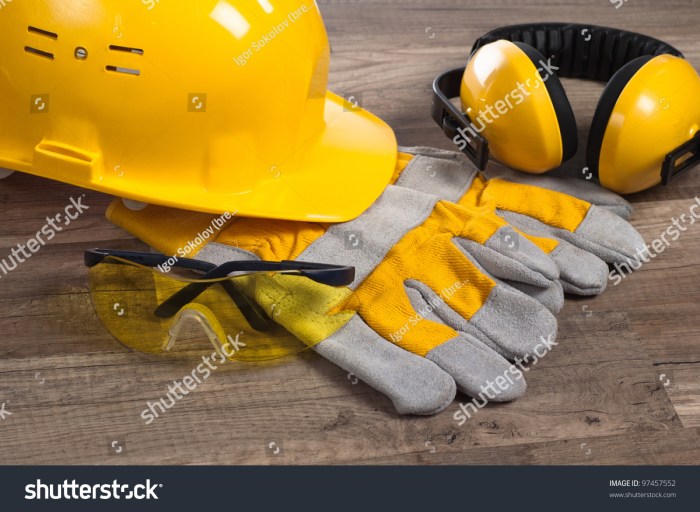
In the construction industry, safety equipment serves as the first line of defense against potential hazards. The very nature of construction work exposes workers to various risks, including falling objects, electrical hazards, and heavy machinery operations. Implementing proper safety gear not only protects individuals but also fosters a culture of safety that benefits the entire site.Safety equipment plays a critical role in preventing accidents and injuries by providing essential protection.
For instance, hard hats are designed to absorb impact from falling objects, while safety goggles shield the eyes from flying debris. The consistent use of safety equipment can significantly reduce the incidence of workplace injuries, thereby ensuring a healthier work environment and enhancing productivity. In fact, according to the Occupational Safety and Health Administration (OSHA), proper use of personal protective equipment (PPE) can lead to a remarkable decrease in accident-related costs for companies.
Legal Requirements for Safety Equipment
Adhering to legal requirements for safety equipment in construction environments is paramount. Various regulations set forth by organizations like OSHA Artikel the minimum standards for safety gear that must be provided and utilized on construction sites. Employers are mandated to assess workplace hazards and supply appropriate PPE to their workers. Failure to comply with these regulations can result in serious penalties, including fines and shutdowns of operations.
“Employers are required to provide a workplace free from recognized hazards and to ensure the safety of their employees.”
The following list enumerates specific types of safety equipment that are commonly required by law:
- Hard Hats: Essential for head protection against impacts and falling objects.
- Safety Goggles: Protect the eyes from dust, debris, and chemical splashes.
- Gloves: Various types, including cut-resistant and chemical-resistant gloves, ensure hand safety while handling materials.
- High-Visibility Vests: Increase worker visibility on-site, especially in areas with heavy machinery.
- Safety Harnesses: Crucial for workers operating at heights, preventing falls from scaffolding and roofs.
Types of Safety Gear Commonly Used
The variety of safety gear used on construction sites is extensive, each designed for specific risks associated with construction tasks. Understanding the appropriate equipment for different scenarios is vital for ensuring safety and compliance with regulations.Within the realm of safety gear, here are some key categories and their purposes:
- Protective Footwear: Steel-toed boots protect against heavy objects and provide slip resistance on hazardous surfaces.
- Hearing Protection: Earplugs and earmuffs safeguard against noise-induced hearing loss in high-decibel environments.
- Respirators: Essential for workers exposed to harmful dust, fumes, or gases, ensuring clean air intake.
- Fall Protection Systems: Including guardrails, safety nets, and personal fall arrest systems, these are crucial for any work performed at heights.
- First Aid Kits: Having accessible first aid supplies on-site is essential for immediate response to injuries.
In summary, the integration of safety equipment is not merely a compliance measure but a fundamental aspect of promoting well-being and efficiency on construction sites. By understanding the legal requirements and types of safety gear available, employers can enhance their safety protocols and cultivate a safer working environment for all employees.
Types of Safety Equipment and Their Applications
In the construction industry, the safety of workers is paramount. A variety of safety equipment is employed to protect workers from accidents and injuries on site. Understanding the different types of safety gear and their specific applications is essential for creating a safe working environment.Construction sites are filled with potential hazards, making it crucial for workers to have access to appropriate safety gear.
This equipment varies widely in function and design, catering to specific risks encountered in the field. Below is a comprehensive list of essential safety equipment along with their applications:
Essential Safety Equipment and Their Applications
The following table Artikels various safety gear, detailing their functions and recommended scenarios for use:
| Type of Safety Equipment | Function | Recommended Scenarios for Use |
|---|---|---|
| Hard Hats | Protects head from falling objects and impact. | All construction sites, especially those with overhead work. |
| Safety Glasses | Shields eyes from dust, debris, and chemical splashes. | Areas with welding, cutting, or mixing chemicals. |
| High-Visibility Vests | Makes workers easily seen by machinery operators and drivers. | Roadwork areas and sites with heavy machinery. |
| Steel-Toed Boots | Protects feet from heavy objects and punctures. | Any site where heavy materials are handled. |
| Gloves | Provides grip and protects hands from cuts and abrasions. | Handling sharp materials or operating machinery. |
| Ear Protection | Reduces exposure to harmful noise levels. | Areas with loud machinery or tools. |
| Respirators | Filters harmful particles and fumes from the air. | Working with hazardous materials or in dusty environments. |
| Fall Protection Harnesses | Prevents falls from heights. | Roofing or scaffolding work. |
Regular maintenance and inspection of safety equipment are vital to ensure its effectiveness and longevity. Here are some best practices for maintaining and inspecting safety equipment:
1. Routine Inspections
Schedule regular checks of all safety gear to identify wear and tear. Look for cracks, frayed straps, and missing components.
2. Cleaning Procedures
Clean equipment according to manufacturer guidelines. Dust and debris can compromise protection levels.
3. Replacement Protocols
Establish a replacement schedule for items that have a limited lifespan, such as hard hats and gloves.
4. Training
Ensure workers are trained on the proper use and care of safety equipment, emphasizing the importance of using gear that is in good condition.
“Regularly maintained safety equipment significantly reduces the risk of workplace injuries.”
By consistently adhering to these practices, construction sites can enhance their safety measures and ensure that all personnel remain protected while on the job.
Related Equipment and Structures in Construction
In construction, the interplay between equipment, structures, and safety measures is critical for ensuring a secure work environment. Understanding the significance of proper equipment storage, safety measures around specific structures like swimming pools, and the operation of yard equipment can greatly enhance site safety and efficiency.
Proper Equipment Storage
Effective storage solutions for construction materials and equipment are fundamental to maintaining a safe job site. Stone brick storage garages, for instance, not only protect materials from weather damage but also minimize tripping hazards associated with scattered items. Proper organization within these garages can lead to faster access to materials, reducing search time and potential distractions on the site. The implementation of designated storage areas for heavy materials can prevent accidents caused by shifting or falling objects.
For instance, clearly marking storage spots and ensuring they are kept clear of walkways significantly enhances worker safety.
Safe storage reduces accidents and improves operational efficiency.
Safety Considerations Around Swimming Pools and Spas
Working near swimming pools and spas presents unique safety challenges. The presence of water creates slip hazards, while the equipment used in pool construction poses additional risks. Establishing necessary barriers around the work area is essential to prevent unauthorized access, especially for curious bystanders or children.Proper signage is also crucial in these areas. Signs indicating “Wet Floor” or “Construction Zone – Authorized Personnel Only” help in alerting workers and the public to potential dangers.
Safety measures may include fencing around the pool, non-slip surfaces, and ensuring the pool drains are covered or secured to prevent accidents. Implementing these precautions not only protects workers but also ensures public safety meets regulatory standards.
Yard Equipment Safety
Yard equipment, including excavators, bulldozers, and loaders, plays a pivotal role in construction operations. However, the improper use of such equipment can lead to serious injuries or fatalities. Ensuring that operators are properly trained and certified is a critical step in maintaining safety on construction sites.Routine inspections of equipment are essential to identify any potential safety issues before they become problematic.
This can include checking fluid levels, brakes, and safety features. Additionally, implementing a culture of safety where workers are encouraged to report issues immediately fosters an environment of collective responsibility.
Routine maintenance and operator training are key to minimizing risks with yard equipment.
To effectively operate yard equipment, the following tools and practices are necessary:
- Protective gear such as helmets, gloves, and steel-toed boots
- Regular maintenance checks and a log of equipment usage
- Clear communication among team members through radios or hand signals
- Emergency stop mechanisms that are easily accessible during operation
These measures contribute significantly to the safe operation of yard equipment, ensuring that all personnel can perform their duties without unnecessary risk.
Wrap-Up
In summary, the implementation of proper construction site safety equipment is vital for preventing accidents and ensuring a secure working atmosphere. By familiarizing yourself with various safety gear types and adhering to maintenance best practices, you contribute to a culture of safety that benefits everyone on site. Let’s prioritize safety and protect our most valuable asset—our workforce.
Common Queries
What types of safety equipment are essential on construction sites?
Essential safety equipment includes hard hats, gloves, safety glasses, high-visibility vests, and harnesses for fall protection.
How often should safety equipment be inspected?
Safety equipment should be inspected regularly, ideally before each use and at least weekly, to ensure it remains in good condition.
Are there legal requirements for safety gear on construction sites?
Yes, there are various legal requirements that mandate the use of specific safety equipment based on the nature of the work and associated risks.
What is the role of proper equipment storage in safety?
Proper equipment storage helps prevent accidents, protects the equipment from damage, and ensures easy access for workers when needed.
How can workers be trained to use safety equipment effectively?
Workers should receive comprehensive training that includes proper usage, maintenance, and the importance of each piece of safety equipment.


