
Saltwater pool maintenance tips can seem daunting, but with the right approach, keeping your pool in pristine condition can be a breeze. Unlike traditional chlorine pools, saltwater pools offer a unique set of benefits and challenges that require specific care. In this guide, we’ll explore essential practices that will help you maintain balanced water chemistry, prevent algae growth, and keep your pool looking its best all season long.
From understanding the necessary tools to maintaining your surrounding area, we’ll walk you through every step to ensure your saltwater pool remains a refreshing escape. Whether you’re a new pool owner or looking to improve your current maintenance routine, these insights will provide you with the knowledge to enhance your pool experience.
Essential Saltwater Pool Maintenance Practices
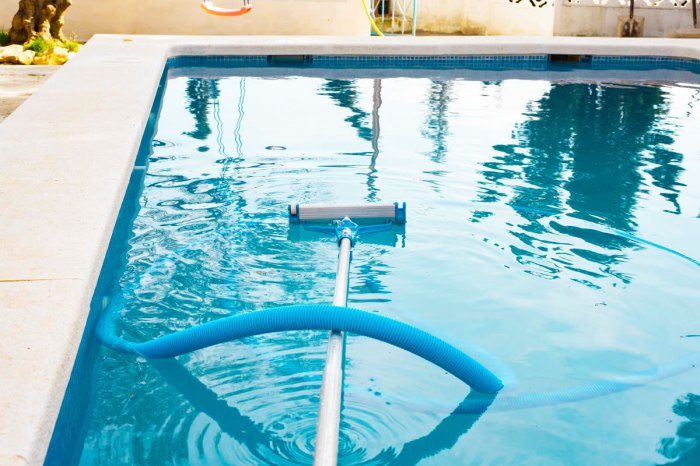
Maintaining a saltwater pool requires attention to detail and routine practices to ensure a healthy swimming environment. Regular maintenance not only keeps the water clean and clear but also prolongs the lifespan of your pool equipment. Below, you will find essential practices for testing and balancing pool chemistry, cleaning filters, and preventing algae growth.
Testing and Balancing Saltwater Pool Chemistry
Regular testing and balancing of your saltwater pool’s chemistry is crucial for ensuring safe and enjoyable swimming conditions. The primary factors to monitor include salinity, pH, total alkalinity, and chlorine levels. Follow this step-by-step guide for effective pool chemistry management:
1. Gather Testing Supplies
Acquire a reliable saltwater test kit that measures salinity, pH, chlorine, and alkalinity. Strips or liquid reagents may be used.
2. Test Water Sample
Remove a water sample from about 18 inches below the surface to avoid surface debris. Follow the instructions of your test kit to determine the levels of each parameter.
3. Evaluate Results
Compare the results to the recommended ranges:
Salinity
2700-3400 ppm
pH
7.2-7.8
Total Alkalinity
80-120 ppm
Chlorine
1-3 ppm
4. Adjust as Necessary
If levels are out of range, use appropriate chemicals to adjust:
Use sodium bicarbonate to raise alkalinity.
Use muriatic acid to lower pH or total alkalinity.
Add salt if salinity is low.
5. Retest
After adjustments, allow the pool to circulate for a few hours and retest to ensure levels are balanced.
Maintaining proper water chemistry is vital for preventing corrosion and scaling in your saltwater system.
Cleaning Pool Filters
Pool filters play a pivotal role in keeping your saltwater pool clean by trapping debris and contaminants. Regular filter maintenance is essential to maintain optimal flow and water clarity. Here’s how to effectively clean your pool filters:
Identify Filter Type
Determine if you have a cartridge, sand, or diatomaceous earth (DE) filter, as cleaning methods differ.
Turn Off Equipment
Before maintenance begins, ensure your pool pump is turned off to prevent injury.
Remove Filters
For cartridge filters, remove the cartridges; for sand filters, backwash the filter according to manufacturer instructions; for DE filters, remove the DE grids.
Clean Filters
For cartridge filters, rinse with a garden hose to remove debris. For a deeper clean, soak in a filter cleaner solution.
For sand filters, backwash until the water runs clear to remove trapped particles.
For DE filters, wash grids with a hose and recoat with fresh DE powder after cleaning.
Reassemble and Restart
Once cleaned, reassemble filters and restart the pump. Monitor pressure gauges; if pressure increases significantly, it may signal a need for further cleaning.
Regular filter maintenance extends the life of your filtration system and keeps your pool water crystal clear.
Preventing Algae Growth
Algae can rapidly develop in saltwater pools if not adequately managed, leading to cloudy water and slippery surfaces. Here are effective methods for preventing algae growth and maintaining water clarity:
Maintain Proper Sanitizer Levels
Ensure your chlorine levels are consistently in the recommended range (1-3 ppm) to inhibit algae growth.
Regular Brushing
Brush the walls and floor of your pool weekly to disrupt potential algae colonies and prevent them from establishing.
Maintain Water Circulation
Keep the pool pump running for an adequate amount of time each day (8-12 hours) to ensure proper circulation and distribution of chemicals.
Install a UV System
Consider adding a UV sanitizer to your system. This can effectively kill algae spores as water circulates through the system.
Use Algaecides
Regularly apply an algaecide, especially during warmer months when algae thrive. Follow manufacturer instructions for frequency and dosage.
Proactive measures against algae growth result in clearer water and a more enjoyable swimming experience.
Tools and Equipment for Effective Pool Maintenance
Maintaining a saltwater pool requires specific tools and equipment to ensure it remains clean, safe, and enjoyable throughout the swimming season. Using the right tools not only simplifies maintenance tasks but also enhances the longevity and performance of the pool system. From cleaning devices to yard equipment, each tool plays a vital role in pool upkeep.
Essential Tools for Saltwater Pool Maintenance
To effectively maintain a saltwater pool, it is important to have the right set of tools. Here are some essential tools along with their uses:
- Telescopic Pole: A versatile tool that can hold various attachments such as skimmers or brushes, allowing you to reach all areas of the pool without getting in.
- Skimmer Net: Used to remove floating debris such as leaves and bugs from the surface of the water, maintaining cleanliness and aesthetic appeal.
- Brush: A pool brush, designed for the specific type of surface (vinyl, fiberglass, or plaster), removes algae and dirt from the walls and floor of the pool.
- Water Testing Kit: Essential for checking chemical levels in the pool water, ensuring proper balance for safe swimming conditions.
- Vacuum Cleaner: Specialized for saltwater pools, these vacuums help remove dirt and debris from the pool floor, contributing to overall cleanliness.
Pool Cleaning Equipment Suitable for Saltwater Systems
When it comes to cleaning equipment, certain devices are specifically designed to cater to the unique requirements of saltwater pools. These include:
- Automatic Pool Cleaners: Robotic or suction-side cleaners that efficiently navigate the pool to remove debris without manual intervention. Their compatibility with saltwater systems ensures they don’t corrode easily.
- Saltwater Chlorinators: Essential for converting salt into chlorine, these systems help maintain clean water while minimizing harsh chemical use.
- Leaf Blower: Primarily used for clearing leaves and debris from the pool area, making it easier to maintain a tidy environment around the pool.
Maintenance of Yard Equipment for Pool Upkeep
Maintaining yard equipment also contributes significantly to overall pool care. Keeping tools like leaf blowers and hoses in good working order ensures that pool maintenance is straightforward and effective. Here are some important maintenance tips:
- Leaf Blowers: Regularly clean the filters and check for blockages to ensure optimal performance. Store in a dry place to prevent moisture damage.
- Hoses: Inspect hoses for leaks or cracks, and utilize hose reels for organized storage, preventing kinks and prolonging their lifespan.
- Storage Sheds: Keep all maintenance tools and equipment in a designated, clean, and dry area to prevent rust and deterioration over time.
“Proper maintenance of your pool cleaning tools and yard equipment not only enhances their performance but also prolongs their useful life.”
Enhancing the Area Around Your Pool
Creating an inviting and functional space around your pool can significantly enhance its appeal and usability. Thoughtful organization of maintenance tools, as well as strategic landscaping and maintenance of nearby areas, not only improves the aesthetic but also contributes to the safety and enjoyment of your swimming oasis. Below are some essential ideas and practices to elevate the area surrounding your pool.
Organizing Pool Maintenance Tools
Effective organization of pool maintenance tools in your garage is crucial for quick access and safety. Utilizing stone brick storage can offer durability and a rustic charm. Here are some practical tips for organizing your tools:
1. Designate a Specific Area
Allocate a specific section of your garage for pool tools. This keeps them separate from other items and makes them easy to find.
2. Use Wall-Mounted Racks
Installing wall-mounted racks allows you to hang tools such as nets, brushes, and hoses, keeping them off the ground and organized.
3. Stackable Bins for Chemicals
Use clear, stackable bins labeled for different chemicals (like chlorine, algaecide) to ensure safety and ease of use.
4. Storage Cubbies
Create cubbies with stone bricks to store larger items like skimmers and vacuums. This adds a decorative touch while ensuring easy access.
5. Regular Inventory
Conduct a seasonal inventory of your tools and supplies to keep track of what you have and what needs replacement.
Landscaping Ideas Around Swimming Pools
Landscaping around your pool can significantly improve its aesthetics and functionality. The right plants and features can create a serene environment while providing safety. Here are some landscaping ideas to consider:
Native Plants
Choose drought-resistant, native plants that require minimal maintenance and provide a natural habitat for local wildlife. They also help minimize water usage.
Non-Slip Surfaces
Incorporate non-slip pavers or stones around the pool area to enhance safety and prevent slips.
Seating Areas
Create cozy seating areas with comfortable furniture under pergolas or shade sails. This invites relaxation and social gatherings.
Lighting Features
Install soft lighting such as LEDs along pathways and around the pool to enhance safety and create a stunning nighttime ambiance.
Water Features
Consider adding a fountain or waterfall feature to the landscaping, as the sound of water can be soothing and adds visual interest.
Maintaining Home Windows and Outdoor Spaces
Maintaining windows and outdoor spaces in relation to the pool is essential for visibility and safety. Here are some tips for effective maintenance:
Regular Cleaning
Clean your windows frequently to ensure clear visibility to the pool area. Use a glass cleaner and a squeegee for streak-free results.
Screen Installation
Install screens on windows that face the pool to keep out debris while ensuring visibility and fresh air.
Landscaping Placement
Keep tall plants or structures away from windows to maintain an unobstructed view of the pool. This allows for better surveillance of the swimming area.
Pool Safety Alarms
Consider installing alarms on windows that provide direct access to the pool area. This adds an extra layer of safety, especially for households with children.
Regular Inspections
Inspect outdoor spaces regularly for any potential hazards such as loose tiles, uneven surfaces, or sharp edges that could pose a risk around the pool area.
Closing Notes
In summary, effective saltwater pool maintenance is key to enjoying a clean, safe, and beautiful swimming environment. By regularly testing your water chemistry, utilizing the right tools, and maintaining your pool area, you can ensure your pool remains an inviting oasis for family and friends. Remember, a little proactive care goes a long way in preserving the joy of your saltwater pool for years to come.
Questions and Answers
How often should I test my saltwater pool water?
It’s recommended to test your water chemistry at least once a week to ensure proper balance and sanitation.
What should I do if my saltwater pool smells like chlorine?
A strong chlorine smell often indicates a chemical imbalance; check your chlorine levels and pH, and consider shocking the pool if necessary.
How do I prevent algae growth in my saltwater pool?
Regularly maintaining proper sanitation levels, brushing the walls, and ensuring good circulation can help prevent algae growth.
What is the ideal salt level for my pool?
The ideal salt level for most saltwater pools is typically between 2700 to 3400 ppm (parts per million).
Can I use regular pool cleaning equipment on a saltwater pool?
Yes, but ensure they’re compatible with saltwater; avoid metal-based cleaning tools that can corrode.


