
Sliding vs casement windows is a topic that invites homeowners to explore the distinct characteristics and benefits of these two popular window types. With their unique designs and functionality, sliding and casement windows can significantly influence the aesthetics and energy efficiency of a home. This overview will delve into their advantages, installation processes, and how these windows can enhance various spaces within your home.
As we navigate through the features of sliding and casement windows, we will examine the practicalities of each option, offering insights into their energy efficiency, ease of maintenance, and the common challenges associated with them. Whether you are renovating or building anew, understanding these differences will empower you to make informed decisions for your home.
Comparison of Sliding and Casement Windows
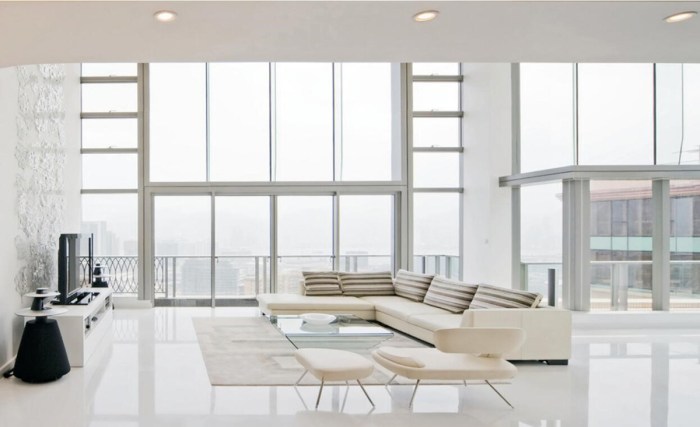
When it comes to choosing between sliding and casement windows, understanding the strengths and weaknesses of each can help homeowners make informed decisions. Both types of windows offer unique features ideal for specific needs, aesthetics, and energy efficiency. This discussion will delve into the advantages and disadvantages of sliding windows, while also highlighting the benefits of casement windows and their energy efficiency differences.
Advantages and Disadvantages of Sliding Windows
Sliding windows are popular for their modern design and ease of use. They typically consist of two sashes, with one sliding over the other horizontally. Their main advantages include:
- Space-saving design: Sliding windows do not protrude when opened, making them a great choice for areas with limited space.
- Ease of operation: They can be easily opened and closed with a simple slide, making them user-friendly, especially for larger windows.
- Wide views: The design often offers unobstructed views due to the larger glass area.
However, sliding windows come with certain disadvantages:
- Limited ventilation: Only one sash opens at a time, which may restrict airflow compared to other window types.
- Dirt accumulation: The track mechanism can collect dirt and debris, making maintenance necessary for smooth operation.
- Less energy-efficient: The seals can wear over time, leading to potential air leaks and reduced insulation effectiveness.
Benefits of Casement Windows Over Sliding Windows
Casement windows are hinged on the side and open outward, providing a different set of advantages. Key benefits include:
- Superior ventilation: Casement windows can open fully, allowing for maximum airflow and better ventilation in your living space.
- Better energy efficiency: They close tightly against the frame, reducing air infiltration and improving insulation, making them a better choice for energy savings.
- Enhanced security: The design typically allows for a stronger locking mechanism, which can provide improved security compared to sliding windows.
These features make casement windows a compelling choice for those prioritizing ventilation and energy efficiency in their homes.
Energy Efficiency Differences Between Both Window Types
Energy efficiency is a crucial consideration when selecting windows, as it impacts heating and cooling costs. Casement windows generally outperform sliding windows in this respect due to their design.
“Casement windows can achieve a tighter seal than sliding windows, leading to lower energy costs and improved comfort.”
To better illustrate the differences, consider the following factors:
- Seal quality: Casement windows use a crank mechanism that allows them to press tightly against the frame when closed, minimizing air leakage.
- Insulation materials: Both window types can be fitted with energy-efficient glazing; however, casement windows are often better at maintaining their insulation properties over time.
- Energy ratings: According to the U.S. Department of Energy, casement windows often have lower U-factor ratings compared to sliding windows, indicating better thermal performance.
Installation and Maintenance
Installing windows can seem daunting, but understanding the differences between sliding and casement windows can simplify the process. Both types have distinct installation requirements and maintenance routines that can impact their longevity and performance. Learning these can help homeowners make informed decisions about their window choices and upkeep.
Installation Process
The installation process for sliding and casement windows varies significantly due to their different designs. Sliding windows typically require a straightforward installation process, as they consist of two or more frames that slide horizontally. The main steps include measuring the rough opening, preparing the frame, leveling, and securing the window with screws or nails. It’s essential to ensure the track is level for smooth operation.
In contrast, casement windows are hinged on one side and open outward, which necessitates a more complex installation. The process involves measuring the opening, ensuring it is square, and fitting the window securely into place. The casement hinges must be correctly aligned to ensure proper function, which can add to installation time. Here are the essential steps for each type:
| Sliding Windows Installation Steps | Casement Windows Installation Steps |
|---|---|
| 1. Measure the rough opening accurately. | 1. Measure the rough opening accurately. |
| 2. Prepare and level the frame. | 2. Ensure the opening is square. |
| 3. Insert the window and secure it. | 3. Fit the window and attach hinges. |
| 4. Check the sliding mechanism and adjust if necessary. | 4. Ensure the casement opens and closes smoothly. |
Maintenance Tips
Regular maintenance ensures both sliding and casement windows operate efficiently. Maintenance requirements can vary, so here are tailored tips for each type:
For sliding windows, it’s crucial to keep the tracks clean and free from debris. Dust and grime can hinder the sliding mechanism, leading to operational issues. Lubricating the tracks periodically with silicone spray can also enhance performance. Inspecting the seals and weather stripping for wear is important, as damaged seals can lead to drafts and water leaks.
Casement windows require a different approach; regular cleaning of the glass and frames is essential to prevent corrosion, especially in coastal areas. Check the hinges and crank mechanism; lubricating these parts can prevent rust and ensure smooth operation. Moreover, inspect the seals and gaskets for deterioration, replacing them as necessary to maintain energy efficiency.
Common Issues and Solutions
Understanding common issues faced by sliding and casement windows helps homeowners prepare for potential repairs. Each window type presents unique challenges, but many solutions can be addressed easily. Here are some frequent problems and their solutions:
For sliding windows, one common issue is the window sticking or not sliding smoothly. This can often be solved by cleaning the tracks and lubricating them. If the glass is foggy, it could indicate a broken seal, which may require a professional to replace the entire unit.
Casement windows often experience issues with the crank mechanism breaking or becoming loose over time. This can usually be fixed by replacing the crank handle or tightening the screws. If the window does not close snugly, check for alignment and adjust the hinges accordingly. Additionally, if the window is difficult to open, examine the seals for blockages or deformation, which may need to be cleaned or replaced.
By addressing these installation and maintenance aspects, homeowners can ensure their sliding or casement windows remain functional, stylish, and energy-efficient for years to come.
Related Home Features and Their Impact
When designing a home, several features play a crucial role in how the space looks and functions. One of the most significant aspects is the choice of windows, which can greatly influence the overall aesthetic and practical elements of a property. This discussion delves into how various home features, from stone brick exteriors to swimming pools, affect window selection and the surrounding environment.
Influence of Stone Brick on Window Choice
The presence of stone brick in home design significantly impacts window selection. The texture and color of stone bricks can complement or contrast with window styles, influencing both the exterior design and energy efficiency of the home. Windows that are too stark might clash with the rugged nature of stone, while those with wooden frames or natural finishes can enhance the rustic charm.
Furthermore, the thermal properties of stone bricks can affect the type of glazing preferred for windows, as homeowners may seek to optimize insulation and energy conservation.
Role of Window Selection in Storage Garage Design
In storage garages, the choice of windows is not only about aesthetics but also functionality. The correct window type can provide essential natural light, vital for tasks and visibility inside the garage. Casement windows, for example, can be ideal as they can be positioned high on the wall to allow light in while maintaining privacy. Additionally, proper ventilation is important in garages to prevent moisture buildup, which can lead to mold or damage to stored items.
Thus, the window’s design must cater to both light and airflow, balancing practicality with the overall look of the structure.
Impact of Windows on Swimming Pool and Spa Ambiance
Windows greatly influence the ambiance of swimming pools and spas by acting as a bridge between indoor relaxation areas and outdoor spaces. Large, expansive windows, such as sliding glass doors, can create an inviting atmosphere, allowing natural light to flood the area while providing stunning views of the pool. The choice of window design can also impact privacy; frosted or tinted glass may be preferred around pools or spas to ensure seclusion without sacrificing light.
Ultimately, the right window selection can enhance the tranquility and allure of these leisure spaces.
Key Tools and Equipment for Window Installation and Maintenance
For anyone looking to install or maintain windows, having the right tools is essential for a smooth process. The following tools are commonly needed:
- Measuring tape: For accurate measurements of window frames and openings.
- Level: Ensures windows are installed straight and even.
- Screwdrivers: Essential for fastening and adjusting hardware.
- Utility knife: Useful for cutting opening materials and sealing strips.
- Caulking gun: To apply sealant for weatherproofing.
- Safety gear: Gloves and goggles to protect against debris.
These tools can help ensure that windows are not only properly installed but also maintained over time to prolong their lifespan.
Importance of Yard Equipment in Maintaining Areas Around Home Windows
Maintaining the area around home windows is crucial in preventing damage and ensuring that the windows continue to function effectively. Yard equipment plays a pivotal role in this process. For instance, regular lawn mowers and trimmers keep vegetation in check, preventing overgrowth that could obstruct window views or cause moisture problems. Additionally, leaf blowers can help remove debris from around window sills, reducing the risk of rot or insect infestations.
Keeping the landscaping tidy can also enhance the home’s curb appeal, making the windows stand out as key design features.
Epilogue
In summary, the choice between sliding and casement windows ultimately hinges on your specific needs, preferences, and the unique features of your home. By weighing the advantages and disadvantages of each type, and considering factors like installation and maintenance, you can select the window solution that enhances your living space while keeping energy efficiency in mind. Whichever you choose, both styles offer distinct benefits that can elevate your home’s ambiance and functionality.
Common Queries
What are the main advantages of sliding windows?
Sliding windows are easy to operate, provide unobstructed views, and are ideal for spaces with limited room.
How do casement windows improve energy efficiency?
Casement windows create a tight seal when closed, reducing air leakage and improving insulation effectively.
Which window type is easier to clean?
Sliding windows can be easier to clean from inside, while casement windows may require access to the exterior.
Are sliding or casement windows more secure?
Casement windows tend to be more secure due to their locking mechanisms and design that makes them harder to pry open.
Can I install sliding windows in areas with high wind?
Yes, but it’s crucial to choose high-quality sliding windows designed to withstand wind pressure for optimal performance.


